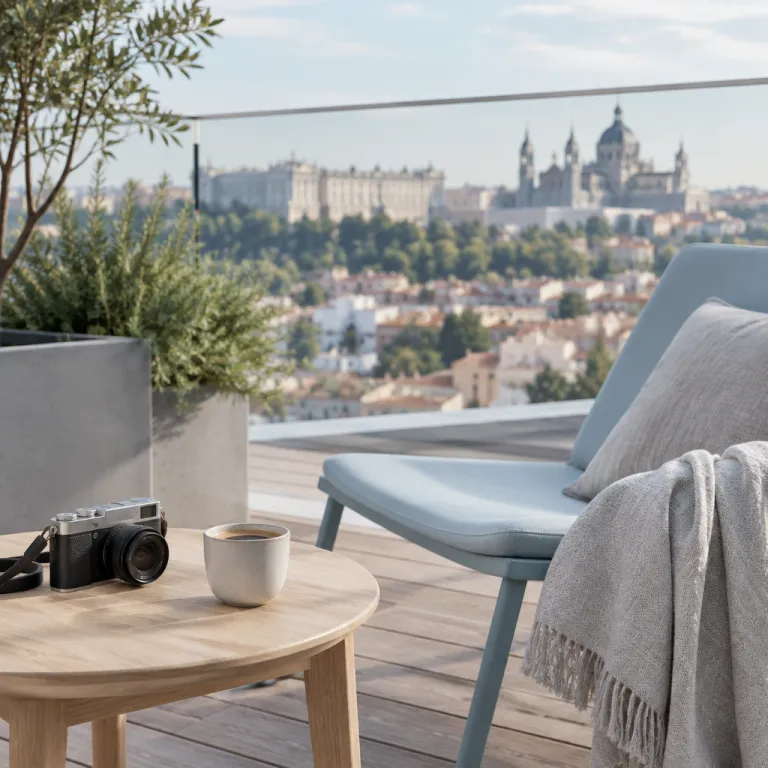
Madrid digital nomad guide for hotel-based remote work
Madrid digital nomad guide for hotel-based remote work
Madrid is a city where remote workers can balance work and lifestyle gracefully. The historic centre, leafy avenues, and efficient public transport make living in Madrid feel both practical and inspiring for every digital nomad. When you plan your stay in Spain, choosing the right hotel becomes the foundation of your Madrid digital experience and determines how productive and relaxed your days will feel.
For digital nomads who want to work comfortably, the best hotels in Madrid now design rooms with large desks, ergonomic chairs, and fast internet suitable for video calls. As a rule of thumb, look for at least 50–100 Mbps download and 20 Mbps upload if you rely on HD video meetings or cloud tools. Many properties near Gran Vía, Salamanca, and Chamartín offer dedicated spaces for quiet work, while some partner with nearby coworking spaces to give guests flexible passes. This combination lets nomads and other remote workers move easily between focused work, meetings in the city, and relaxed evenings in Retiro Park.
People who come as a single digital nomad or as digital nomads travelling together should look at accommodation that offers monthly rates, laundry facilities, and access to a gym. A hotel that understands remote work will usually provide reliable Wi‑Fi in all public spaces and clear information about upload speeds or wired connections. When you compare options, check whether the property is close to metro lines, good cafés, and the best places for coworking spaces, because these details shape your daily routine in Madrid and how much time you lose in transit.
Choosing the best areas and hotels for nomads in Madrid
Location defines your experience as much as the room itself in Madrid. For many digital nomads, the best neighbourhoods balance calm streets, quick public transport, and easy access to coworking spaces and cafés. Before you book, think carefully about how you like to work and spend your free time in the city, because a social night owl will choose a very different area from a quiet early riser.
Chueca and Malasaña suit a social digital nomad who enjoys nightlife, creative people, and short walks to independent cafés with good internet. Salamanca and Chamberí are better for remote workers who prefer quieter streets, elegant accommodation, and fast access to the financial district and Impact Hub locations. Near Atocha and Lavapiés, you will find more affordable options that reduce the overall cost of living in Madrid while keeping you close to the centre and to several coworking spaces such as The Shed Co or Utopicus in nearby districts.
When comparing hotels, look for clear information about Wi‑Fi speed, desk size, and whether there are dedicated work spaces in the lobby or lounge. Many properties now advertise remote work packages by the week or month, which can lower your total cost and simplify your stay in Spain. Ask whether they offer a transport pass add‑on, airport transfers, or discounts at nearby coworking spaces, because these extras can turn a good stay into the Madrid best option for your working style and budget.
Costs, monthly stays, and practicalities for living in Madrid
Understanding the real cost of living in Madrid helps you choose the right hotel and length of stay. Compared with other Western European capitals, the city offers a good balance between quality of life, accommodation standards, and daily expenses for digital nomads. Many hotels now publish transparent monthly rates that make it easier for a digital nomad to budget for a longer remote work period without constant price surprises.
For a comfortable hotel room with a proper desk and strong internet, expect a higher nightly cost in central districts but better value when you negotiate a month‑long stay. As a rough guide, central hotel rooms suitable for remote work can range from around €1,400–€2,000 per month in areas near Atocha or Lavapiés, rising to €2,000–€3,000 or more in Salamanca, Chamberí, or around Gran Vía, depending on season and services. Some properties include breakfast, access to a gym, and laundry in their monthly packages, which reduces the hidden cost of eating out and using external services. When you calculate your budget, include a transport pass for public transport, coworking spaces fees if needed, and health insurance suitable for Spain, because these items shape the real cost of living Madrid offers to nomads.
Remote workers staying longer than a month often ask about opening a local bank account to simplify payments. In many cases, a standard foreign card works well in Madrid, but some extended stay hotels can advise on banks that are used frequently by nomads Madrid wide. Always confirm whether your accommodation issues proper invoices, because this matters for tax reporting and for some health insurance policies linked to your digital work abroad.
Working from hotels, coworking spaces, and cafés
Remote work in Madrid can happen in many environments, from quiet hotel rooms to lively coworking spaces. A well designed hotel lobby with separate work spaces can be enough for some digital nomads who prefer to stay on site between meetings. Others feel more productive when they leave their accommodation and join a structured coworking community in the city, especially if they value networking or regular events.
Impact Hub locations across Madrid are popular with remote workers who want networking events, meeting rooms, and reliable internet with clear service guarantees. Several other coworking spaces in districts like La Latina, Chamberí, and near Retiro Park offer day passes, weekly memberships, and flexible month options that suit a travelling digital nomad; examples include Loom, Talent Garden, and smaller neighbourhood hubs. When you compare these spaces, look at opening hours, quiet zones, phone booths, and how quickly you can reach them from your hotel by public transport.
Many people Madrid based for work also use cafés as informal work spaces during quieter hours. Choose places that clearly welcome laptops, offer power outlets, and maintain good air quality, especially if you plan to stay for several hours. A balanced routine might include focused work in your hotel room in the morning, meetings at coworking spaces in the afternoon, and lighter tasks in a café near the royal palace or Retiro Park towards the end of the day, before returning to your hotel or neighbourhood tapas bar.
Bleisure time: culture, green spaces, and neighbourhood life
Bleisure travel in Madrid means your hotel becomes both an office and a base for exploring the city. After a day of digital work, you can walk from central accommodation to major sights without needing a car. This proximity makes it easier for digital nomads to enjoy culture and local life without losing productive time, especially when your meetings finish late in the afternoon.
The royal palace area offers grand architecture and wide plazas where people gather in the evening, giving remote workers a sense of the city’s history between calls. Retiro Park provides shaded paths, lakeside views, and outdoor cafés, which are ideal for a midday break or a short walk after a long digital meeting. Many hotels near these landmarks curate small guides to the best places for tapas, live music, and contemporary art, helping nomads Madrid based for a month feel quickly at home and discover local favourites beyond the main tourist streets.
When choosing accommodation, consider how easily you can reach both your preferred coworking spaces and your favourite leisure spots by public transport. A location near a major metro hub reduces commuting time and lets you move smoothly between work, social plans, and quiet time in green spaces. Over several weeks, this balance between efficient remote work and rich cultural experiences becomes the real value of living in Madrid as a digital nomad.
Health, safety, air quality, and practical life admin
Longer stays in Madrid require attention to health insurance, safety, and everyday logistics. For digital nomads arriving from outside Spain, comprehensive health insurance that covers outpatient visits, emergencies, and remote work related travel is essential. Many hotels keep updated information about nearby clinics and pharmacies, which reassures remote workers staying for a month or more and helps in case you need quick medical advice.
Air quality in Madrid can vary during the year, especially along major traffic corridors, so choosing accommodation on a quieter street or near parks can improve your daily comfort. The city has invested in cleaner public transport and low emission zones, which benefits people Madrid wide, including visiting digital nomads. When you evaluate hotels, ask about room ventilation, window insulation, and whether they provide quiet work spaces away from busy roads, particularly if you are sensitive to noise or pollution.
Administrative tasks such as registering for a longer stay, managing your bank account needs, or receiving parcels are easier when your accommodation offers a reliable front desk and clear guest support. Some properties familiar with remote workers can guide you towards services that help with paperwork, language barriers, or local SIM cards for better mobile internet from providers like Movistar, Orange, or Vodafone. These practical details may seem small, but they strongly influence how smooth your Madrid digital experience feels day to day.
Transport, connectivity, and how to find the best places to stay
Efficient movement around Madrid is central to any serious Madrid digital nomad guide. The metro, buses, and suburban trains form a dense public transport network that makes commuting between accommodation, coworking spaces, and leisure areas straightforward. For many digital nomads, a monthly transport pass such as the Abono Transporte is the smartest choice, especially when staying beyond a single month.
Hotels near major hubs such as Sol, Nuevos Ministerios, and Atocha give remote workers fast connections to the airport, business districts, and residential neighbourhoods. This connectivity matters when you split your time between meetings, remote work sessions, and evening plans with other nomads Madrid based for similar projects. When you research options, use maps to check walking distances to metro stations, coworking spaces, and the best places for groceries, gyms, and cafés with good internet.
To find the Madrid best hotel for your needs, start by listing your non negotiables such as desk quality, Wi‑Fi speed, and access to quiet spaces. Then compare properties by total cost, including any remote work packages, laundry fees, and breakfast options that affect your daily budget. A thoughtful choice will let you focus on your digital projects while enjoying the rhythm of living in Madrid, turning a simple hotel booking into a well rounded digital nomad stay in Spain.
Key figures for digital nomads in Madrid
- According to the Ayuntamiento de Madrid, the city’s public transport network includes more than 300 metro stations and extensive bus routes, giving most residents and visitors access to a stop within a short walk.
- Data from Spain’s National Statistics Institute indicate that Madrid consistently ranks among the top Spanish regions for average salaries, which helps sustain a strong ecosystem of coworking spaces and services for remote workers.
- Reports from the European Environment Agency show that Madrid’s air quality has improved over the last decade in central low emission zones, although traffic corridors can still experience higher pollution peaks.
- Tourism authorities in Spain note that Madrid receives several million international visitors each year, a portion of whom are long stay guests combining remote work with extended leisure travel.
FAQ about hotels and remote work in Madrid
Is Madrid a good city for digital nomads who stay in hotels ?
Madrid is well suited to digital nomads because it combines reliable internet, extensive public transport, and a growing number of hotels that cater to remote work needs. Many properties now offer large desks, quiet rooms, and partnerships with coworking spaces. The city’s central location in Spain also makes weekend trips to other regions easy, whether you take high speed trains or short domestic flights.
Which areas are best for remote workers booking hotels in Madrid ?
Chueca, Malasaña, Salamanca, and Chamberí are popular with remote workers because they balance cafés, coworking spaces, and good metro connections. Areas near Atocha and Lavapiés can be more affordable while still central. Your choice should reflect whether you prefer nightlife, quieter streets, or quick access to business districts and major train stations.
How much does it cost to stay a month in a Madrid hotel as a digital nomad ?
Monthly hotel costs vary widely, but central properties with strong Wi‑Fi and work friendly rooms usually sit above standard long term rentals. Some hotels offer discounted month rates that include cleaning, utilities, and amenities, which can offset the higher nightly price. Always compare the total cost, including transport passes, coworking fees, and daily meals, and remember that prices rise during peak events and summer.
Do I need special health insurance to work remotely from Madrid ?
Remote workers should have health insurance that covers medical care in Spain, including emergencies and outpatient visits. Many international policies designed for digital nomads include this coverage, but you must confirm the details before travelling. Hotels can often direct guests to nearby clinics, but they do not replace proper insurance.
Can I rely on hotel Wi-Fi for serious remote work in Madrid ?
Most mid range and higher end hotels in Madrid provide Wi‑Fi that supports video calls and cloud based work. However, quality still varies, so you should ask for typical speeds and whether wired connections are available. If your work is very bandwidth intensive, consider combining hotel internet with access to professional coworking spaces or a local SIM with generous data as a backup hotspot.