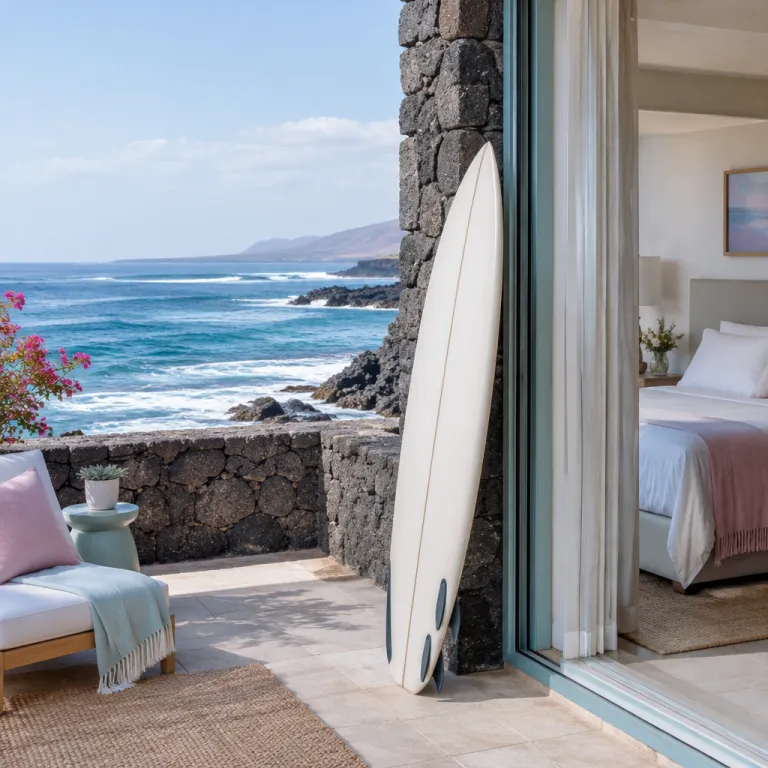
Why Madrid hotel guests keep flying out for surfing Canary Islands escapes
Many travellers booking a refined hotel in Madrid quietly plan a side trip for surfing Canary Islands breaks. They realise that a short flight from the Spanish capital opens access to Atlantic islands with powerful waves, warm water, and some of Europe’s best surf spots for every level. This combination of urban culture in Madrid and wild coast energy on the islands creates a surf travel experience that feels both sophisticated and adventurous.
From your Madrid base you can choose the island that matches your style of surf and scenery. The Canary Islands stretch across the Atlantic, and each Canary Island offers a different balance of north coast reefs, south coast beach breaks, and sheltered bays that work when winter swells or summer winds shift. Because flights are frequent and relatively short, many guests now treat island surf weekends as naturally as a countryside escape from the city.
For hotel guests who value planning, the surfing Canary Islands seasonality is a major advantage. Conditions are genuinely year round, with the strongest swells arriving in winter when Madrid is coldest and the islands still offer warm water around 19 to 23 °C. According to long-term records from the Spanish State Meteorological Agency (AEMET), average sea temperatures around Gran Canaria and Lanzarote stay close to this range even in midwinter. That means you can enjoy museums and fine dining in Madrid, then fly out for a few days of surf, returning to your preferred room category and service level in the city.
Choosing the right island for surf while staying in Madrid
When you look at the map from Madrid, Gran Canaria often appears first because of its direct connections and the appeal of combining Las Palmas city life with nearby surf spots. On the north coast of Gran Canaria, areas near Las Palmas such as El Confital offer powerful waves and reef breaks, while the south coast has gentler beach breaks that suit improving surfers. This contrast lets you tailor each surf day to your energy level before flying back to your hotel in Madrid.
Lanzarote and Fuerteventura, often planned together as a Lanzarote–Fuerteventura itinerary, attract guests who want raw volcanic scenery and consistent swells. Lanzarote’s west coast and north shore are famous for heavy reef breaks and long walls, while Fuerteventura’s east coast and south beaches provide more forgiving peaks and sandy entries. Surf guides such as the Stormrider series consistently describe these islands as among Europe’s most reliable winter surf destinations. If you are booking a Madrid hotel and considering a day trip beyond the capital, pairing your stay with a carefully timed Segovia excursion from Madrid and then a longer surf escape to the Canary Islands can create a balanced itinerary.
Travellers focused on comfort often choose Gran Canaria itineraries that start with a few nights in a central Madrid hotel, followed by a direct flight to Gran Canaria for a surf camp or independent surf travel. In Gran Canaria, you can base yourself near Las Palmas for quick access to both north shore reefs and more relaxed west coast coves. This structure keeps logistics simple while maximising time in the water and minimising transfers between airports, hotels, and surf spots.
How to align Madrid hotel bookings with Canary Islands surf seasons
To make the most of surfing Canary Islands conditions, align your Madrid hotel reservation with the Atlantic swell calendar. October to March offers the strongest swells, which means the north coasts of Lanzarote, Gran Canaria, and other islands light up with powerful waves and long, clean breaks. Regional surf forecasts from agencies such as Puertos del Estado show that this winter window consistently brings larger, longer-period swells to the archipelago. During this period you can enjoy quieter museums and restaurants in Madrid, then fly out for two or three days of intense surf before returning to your preferred suite or deluxe room.
Summer brings smaller swell and more trade winds, which suits beginners and families who want mellow surf spots and warm water without heavy crowds. In these months, the south and east coast areas of several islands often provide the best balance of manageable waves and pleasant winds, while the north shore can be more exposed and choppy. Many Madrid hotel guests use this period to combine outlet shopping breaks in the capital with a relaxed surf camp week, often inspired by guides to Madrid outlet malls and hotel based shopping breaks.
Because flights from Madrid to the Canary Islands run year round, you can design flexible itineraries that respond to swell and wind forecasts. Surf schools and surf camps on each island monitor daily swells and winds, then advise whether the west coast, east coast, or south bays will offer the best spot for your level. As Las Palmas surf coach Javier Hernández notes in local tourism briefings, “checking the forecast with someone who knows each reef and sandbank can turn an average day into a memorable session.” This collaboration between Madrid based travellers and island surf experts ensures that even a short escape delivers quality waves and efficient use of your limited holiday time.
Practical planning: from Madrid check in to island surf lineup
Smart travellers start by choosing a Madrid hotel with easy airport access, so an early flight to the islands does not require a long cross city transfer. After breakfast you can reach Adolfo Suárez Madrid–Barajas Airport quickly, board a flight to Gran Canaria or Lanzarote, and be checking into a surf camp or coastal hotel by early afternoon. This smooth transition from city comfort to an ocean facing room makes the whole surfing Canary Islands experience feel effortless.
On arrival, many guests join organised surf camps that include equipment, guiding, and transport to the day’s best surf spots. These surf camp teams work closely with local surf schools and experienced surfers to match each participant with suitable waves, whether that means gentle beach breaks on the south coast or more demanding reef breaks on the north coast. Because the island surf community is well established, you benefit from decades of local knowledge about how different swells and winds interact with each reef and bay.
Equipment planning is straightforward thanks to the region’s mild climate and warm water. Most travellers pack a 3/2 mm wetsuit for winter and a shorty or even just boardshorts in late summer, then rent boards from local surf schools near the main beaches. As one local briefing from the Canary Islands tourism board summarises, “October to March offers strongest swells”, so if you are staying in Madrid and want the most powerful waves, plan your island segment within that six month window.
Balancing culture in Madrid with coast time on the Canary Islands
One of the main reasons Madrid hotel guests are drawn to surfing Canary Islands trips is the contrast between city culture and wild coast landscapes. In Madrid you spend mornings in the Prado or Thyssen, afternoons in leafy parks, and evenings in elegant dining rooms with carefully curated wine lists. A few hours later you can be standing on a volcanic beach, watching long period swells wrap around a headland on the north shore of Lanzarote or Gran Canaria.
This duality works especially well for couples or groups with mixed interests, where not everyone wants to surf every day. Some travellers base themselves in Las Palmas on Gran Canaria, enjoying its urban promenade, cafés, and galleries, then join half day surf sessions on nearby breaks while others relax on the sand. Others prefer quieter west coast villages on Lanzarote or Fuerteventura, where the pace is slower and evenings revolve around oceanfront restaurants and simple, fresh seafood.
Back in Madrid, you can choose hotels near Retiro Park or the Río Manzanares to keep a sense of open space between surf trips. Resources such as this guide on how to choose a Madrid hotel near the best parks and gardens help you find properties that echo the coastal calm of the islands. That way, even on non travel days, you maintain a rhythm of nature, culture, and rest that mirrors the balance you felt on the beaches of the Canary archipelago.
Safety, skill levels, and choosing the right breaks from a Madrid base
For guests staying in Madrid and planning their first surfing Canary Islands experience, understanding safety and skill levels is essential. The archipelago offers everything from forgiving beach breaks for beginners to heavy reef breaks that challenge advanced riders, often compared to Hawaiian style waves. Because of this range, you should be honest about your surf ability when speaking with surf schools or surf camps before leaving your Madrid hotel.
Beginners usually start on sandy bays along the south or east coast of islands like Fuerteventura, Tenerife, or Gran Canaria, where smaller swells and lighter winds create manageable conditions. Intermediates often progress to more structured peaks on the north coast or west coast, where the swell has more power but still breaks in predictable patterns. Advanced surfers target specific reef breaks on the north shore of Lanzarote, Gran Canaria, and other islands, timing their sessions around tide, swell direction, and wind shifts.
Local experts consistently recommend a cautious approach, especially for travellers who spend most of their time in Madrid and only surf during holidays. They advise checking daily swell and wind forecasts, wearing reef booties on rocky entries, and avoiding the most crowded spot at peak hours to reduce risk. Are reef breaks dangerous? Yes if inexperienced; wear booties, surf with others, and pick appropriate spots in line with your current level.
Key figures for Madrid to Canary Islands surf escapes
- Average winter water temperature around the Canary Islands is close to 19 °C, which feels mild compared with typical mainland European coasts during the same season, according to regional oceanographic data from AEMET and Puertos del Estado.
- Late summer and early autumn water temperatures often reach about 23 °C, allowing many surfers to use thinner wetsuits or shorties while still enjoying long sessions in the water.
- The most reliable wave season for powerful Atlantic swells lasts roughly six months from October to March, aligning with the cooler period in Madrid when many travellers seek warmer coast destinations and more consistent surf.
- Multiple islands, including Lanzarote, Gran Canaria, Tenerife, and Fuerteventura, sit around 28° north and 16° west in the Atlantic, giving them direct exposure to north and northwest swells that generate consistent surf year round.
- Typical surf trips from Madrid combine two to four nights in the capital with five to seven nights on one or two islands, which balances cultural experiences with enough time to adapt to local breaks and conditions.
FAQ about surfing Canary Islands from a Madrid hotel stay
When is the best time to plan surfing Canary Islands from Madrid?
The most consistent period for powerful waves is from October to March, when Atlantic swells are strongest and many north and west facing breaks work almost daily. If you prefer smaller, friendlier surf and lighter equipment, late spring to early autumn still offers reliable conditions, especially on south and east facing coasts. Because flights from Madrid operate year round, you can choose dates that match your skill level and comfort with bigger swells.
Which islands are most suitable for beginners coming from Madrid?
Fuerteventura, south Tenerife, and several beaches on Gran Canaria are particularly suitable for beginners thanks to their sandy entries and forgiving beach breaks. These areas host numerous surf schools and surf camps that provide structured lessons, soft boards, and safety briefings tailored to first timers. Travellers can easily combine a few nights in Madrid with a week on one of these islands to progress from first pop up to confident riding.
How should I choose a Madrid hotel if I plan a surf side trip?
Look for a hotel with fast access to Adolfo Suárez Madrid–Barajas Airport, either via direct metro lines or short taxi rides, to simplify early flights to the islands. Guests who value green spaces between surf trips often choose properties near Retiro Park or Casa de Campo, which provide a calmer atmosphere after returning from energetic days in the water. Flexible check in and luggage storage policies are also helpful when your surf travel schedule involves early departures or late returns.
Do I need to bring my own surfboard from Madrid?
Most travellers flying from Madrid to the Canary Islands rent boards locally, as every major surf town offers a wide range of shapes and sizes. Renting avoids airline board fees and reduces the risk of damage, while still allowing you to test different boards for varying swells and breaks. If you are an advanced surfer with a very specific board preference, you can bring your own, but confirm airline policies and transport options between your Madrid hotel and the airport.
Are guided surf camps worth it for short trips from Madrid?
For stays under a week, guided surf camps are usually the most efficient way to maximise time in the water. They handle transport to the day’s best spot, interpret swell and wind forecasts, and match you with suitable breaks for your level, which is invaluable when you arrive from Madrid with limited days. Many guests start with a surf camp on their first visit, then return later for more independent surf travel once they understand the islands’ coastlines.