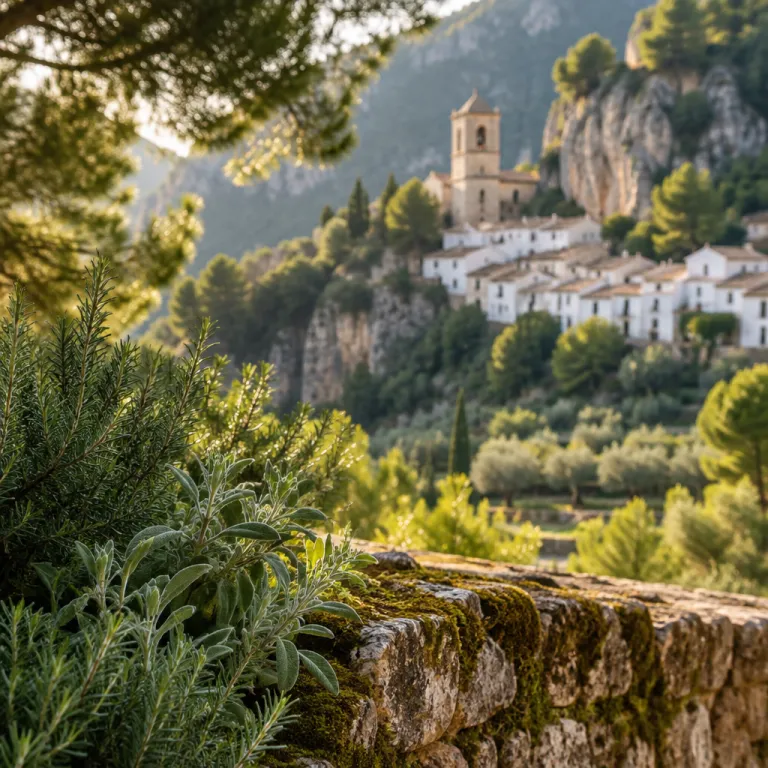
Why Madrid hotel guests are drawn to the bell tower of Guadalest
Staying in Madrid places you at the cultural heart of Spain. Yet many hotel guests quietly plan a day or overnight escape to the famous bell tower in Guadalest, pairing urban energy with a serene mountain village. This contrast between capital city rhythm and a tranquil rocky landscape creates one of the best short breaks from Madrid.
The historic bell tower of Guadalest rises from a dramatic crag, separated from the main castle by sheer rock and framed by surrounding mountains. From Madrid, travellers often combine a hotel stay near Atocha or Chamartín with a high speed rail journey towards the Costa Blanca, then continue by road into the interior of Alicante province. The reward is a striking aerial view over a vivid blue reservoir, whitewashed houses, and the compact Guadalest town clinging to the cliffs.
For guests used to Madrid’s grand avenues and wide squares, the tiny main square of Guadalest feels intimate and cinematic. The village lanes lead upwards in a short but steep walk, passing small museum spaces and artisan shops before you reach the top terrace near the bell tower. From here, the vistas over the Guadalest reservoir and the castle ruins of Castell de Guadalest rank among the most memorable viewpoints in Spain.
Planning a Madrid stay with a side trip to Guadalest’s bell tower
When you book a hotel in Madrid, think first about rail access and onward connections. If you intend to visit the bell tower of Guadalest, staying near Madrid Puerta de Atocha or Chamartín simplifies early departures towards the east of Spain. Choose a property that offers early breakfast or takeaway options, as reaching the top viewpoints in Guadalest town before the main crowds arrive is worth the effort.
Many travellers pair a classic Segovia excursion with a later journey towards Alicante province, creating a multi day itinerary that balances heritage cities and a mountain village. While planning your Segovia day trip from Madrid, you can already map out how a later escape to Guadalest castle and its bell tower will contrast with Castilian plains and Roman aqueducts. For practical guidance on timing and logistics, consult a dedicated resource on how to plan a seamless Segovia day trip from Madrid while staying in a hotel, then apply similar principles to your onward journey towards the Costa Blanca.
From Madrid, the most efficient route usually combines high speed rail to Alicante city with a regional bus or hire car into the interior, where the rocky valley of Guadalest Spain opens up. Recent Renfe timetables typically show around 2.5 to 3 hours for the AVE or Avlo service between Madrid and Alicante, though exact journey times vary by train and season, so always confirm current schedules. From Alicante, the drive to Guadalest via the AP-7 and CV-70 takes roughly 1 hour and 15 minutes in normal traffic, while regional buses from Benidorm towards El Castell de Guadalest generally run several times a day and take about 45 minutes; check the latest frequency and departure times locally or through the operator before you travel. Once there, the walk from the lower village car park to the main square is short but steep, so comfortable shoes are essential. Allow time not only for the bell tower and castle ruins, but also for the small museum collections in Casa Orduna and other historic houses that explain how this fortified town controlled access to the surrounding mountains.
Experiencing the bell tower and Guadalest castle like a seasoned traveller
On arrival in Guadalest town, most visitors head first towards the fortified upper quarter. A stone tunnel known as Portal de Sant Josep (often shortened locally to Portal Sant) leads from the lower square into the historic core, creating a theatrical transition from village life to castle drama. Emerging from this passage, you step into the main square, where cafés and viewpoints frame the bell tower and the rocky ridge of Castell de Guadalest above.
From here, a short walk leads to the entrance of Guadalest castle, where a series of steps climbs past castle ruins and defensive walls. Each terrace offers a new aerial view over the reservoir, the dam, and the surrounding mountains of Alicante province, with the Costa Blanca coastline hidden just beyond the ridges. The bell tower itself stands on a separate rocky outcrop, and from certain angles in the main square you can frame both the tower and the water below in a single, striking view of Spain.
Hotel guests who are used to Madrid’s museums will appreciate the compact but engaging museum spaces in Guadalest. Casa Orduna, once the residence of a noble family, now functions as both a museum and a gateway to the upper castle ruins, with period furniture and documents that explain how the town controlled trade routes. After exploring Casa Orduna, pause in Plaza de San Gregorio, sometimes called Plaza San Gregorio, where the bell tower, Sant Josep castle ruins, and the reservoir align in one of the best views in Guadalest Spain. A local café owner might tell you, as one did to a recent visitor, that “every hour the light paints a different village,” a reminder to linger rather than rush back to the car.
Where to stay in Madrid for culture, cuisine, and easy escapes
Choosing the right Madrid hotel shapes how easily you can combine city experiences with a journey to the bell tower of Guadalest. Properties near Gran Vía or the Barrio de las Letras place you close to museums, theatres, and some of the city’s best tapas bars. If you value quick access to trains for day trips and onward travel towards Alicante province, consider staying near Atocha or Chamartín instead.
Food focused travellers often prefer central districts where a short evening walk leads to traditional taverns and contemporary wine bars. Before committing to a reservation, consult a specialist guide on how to choose a Madrid hotel near the best tapas bars in the city center, then cross check its advice with your own priorities for quiet rooms, late check out, or concierge support. This balance between culinary access and transport convenience makes it easier to enjoy both Madrid’s nightlife and early departures towards the Costa Blanca and Guadalest town.
For guests planning several excursions, ask the hotel team about luggage storage and early breakfast options. Many Madrid properties are accustomed to travellers who spend one or two nights in the city, then continue towards the coast or the surrounding mountains for rural stays. By coordinating your Madrid base with your plans for Guadalest castle, the bell tower, and the reservoir below, you avoid rushed transfers and gain more time on the main square and panoramic terraces.
From Madrid’s museums to Guadalest’s open air gallery of views
Madrid’s Golden Triangle of Art offers world class collections, yet some guests crave an open air counterpart. The bell tower of Guadalest and the castle ruins above the blue-green water create exactly that feeling, as if the entire rocky valley were a natural gallery. From the top terraces of Castell de Guadalest, every aerial view becomes a living landscape painting.
Many hotel guests structure their Madrid stay so that museum visits come first, followed by a quieter phase on the Costa Blanca and in Guadalest Spain. After days spent in the Prado or Reina Sofía, the simple act of standing in Plaza de San Gregorio and looking towards the bell tower, Sant Josep castle, and the dam of the Guadalest reservoir feels refreshingly uncluttered. The contrast between Madrid’s grand museum halls and the intimate museum rooms of Casa Orduna underlines how culture in Spain shifts from imperial scale to village detail.
If you enjoy photography, plan your Guadalest town visit for late afternoon, when the surrounding mountains soften in golden light. From the main square and the upper castle paths, you can capture both close ups of the bell tower and wide aerial views over the reservoir and the rocky valley. Many travellers say that this combination of Madrid’s urban art and Guadalest’s natural panoramas offers some of the most rewarding views in Spain within a single short itinerary.
Relaxing day trips and multi day escapes beyond Madrid
Not every Madrid hotel guest wants a packed schedule of monuments and late nights. Some prefer a rhythm that alternates intense city days with restorative escapes, whether to Segovia, Toledo, or further afield towards the Costa Blanca and Guadalest castle. For those travellers, the bell tower of Guadalest and the mountain scenery provide a calm counterpoint to Madrid’s constant movement.
Shorter excursions from Madrid by train, such as Aranjuez or El Escorial, can be combined with a longer journey towards Alicante province once you have settled into the city. To structure this mix of nearby and distant escapes, consult a dedicated guide to relaxing day trips from Madrid by train for hotel guests, then extend the same planning logic to your onward travel towards Guadalest town. By spacing your journeys, you avoid fatigue and arrive at the main square of Guadalest ready to appreciate every aerial view and quiet corner.
Some visitors choose to spend a night on the Costa Blanca before heading inland to the village, using coastal towns as a base between Madrid and Guadalest Spain. This approach allows a leisurely morning drive through surrounding mountains, with several roadside viewpoints that frame the bell tower, the dam, and the reservoir from different angles. Whether you treat Guadalest as a long day trip or a highlight of a multi day route, its castle ruins, museum spaces, and rocky setting reward unhurried exploration.
Practical tips for combining Madrid hotels with a visit to Guadalest
When planning your Madrid stay around a future visit to the bell tower of Guadalest, timing matters as much as location. Aim to visit the village outside peak midday hours, when tour groups often fill the main square and narrow streets. Early morning or late afternoon light also enhances the colour of the Guadalest reservoir and the surrounding mountains.
Pack light layers in Madrid that will also suit the breezier conditions of Alicante province, where the rocky valley around Guadalest town can feel cooler than the Costa Blanca coast. Comfortable footwear is essential, as the walk from the lower car park through Portal de Sant Josep and up to Sant Josep castle involves steps and uneven surfaces. Inside Casa Orduna and other museum spaces, floors are smoother, but the real reward lies in the outdoor terraces where every aerial view over the dam and reservoir reveals a different side of Spain.
Before leaving your Madrid hotel, confirm train times, bus connections, and car hire details, allowing generous margins for transfers. Keep a small day bag ready with water, sun protection, and a light jacket, as the top viewpoints near the bell tower and Castell de Guadalest are exposed to wind and sun. With thoughtful planning, you can enjoy Madrid’s cultural depth, then stand on a rocky terrace above Guadalest castle ruins, looking out over some of the most impressive views in Spain and returning to your hotel with a sense of balance and perspective.
Key figures for Madrid stays and trips to Guadalest
- Madrid welcomed more than 10 million international visitors in a recent pre pandemic year, according to Turespaña tourism statistics, which underlines why booking hotels near major stations such as Atocha or Chamartín is crucial for smooth onward travel.
- The high speed rail journey from Madrid to Alicante is often scheduled at around 2 hours and 30 minutes on the fastest services, based on Renfe’s published AVE and Avlo timetables, making Guadalest a realistic extension to a city break rather than a distant expedition; always verify current journey times before departure.
- The reservoir below Guadalest has a storage capacity reported in the region of 13 hectometres cubed in technical data from the Confederación Hidrográfica del Júcar, which explains its significant role in regional water management and the presence of the dam visible from the castle.
- Average annual sunshine on the Costa Blanca is frequently reported at more than 2800 hours per year in summaries from the Spanish State Meteorological Agency (AEMET), giving travellers a high probability of clear aerial views from the bell tower and castle terraces.
- Hotel occupancy in central Madrid often surpasses 70 percent during peak months, according to tourism reports from Madrid Destino, so securing a room near key transport hubs well in advance is advisable if you plan to combine the city with a side trip to Guadalest town.
FAQ about Madrid hotels and visiting the bell tower of Guadalest
Is it realistic to visit Guadalest as a day trip while staying in Madrid?
It is possible but requires an early start and careful planning, because you must combine a high speed train from Madrid to Alicante with a regional bus or hire car into the mountains. Many travellers prefer to spend at least one night on the Costa Blanca to reduce travel pressure. If your time in Spain is limited, consider focusing on closer day trips from Madrid and saving Guadalest for a future coastal itinerary.
Which Madrid area is best if I plan several excursions, including Guadalest?
Staying near Madrid Puerta de Atocha or Chamartín station offers the most flexibility for rail based excursions. These districts provide quick access to trains for Segovia, Toledo, and Alicante, while still keeping you close to central attractions. Choose a hotel that offers early breakfast and luggage storage to simplify your departure days.
How much walking is involved at the bell tower and Guadalest castle?
The walk from the lower car park through Portal de Sant Josep to the main square is short but steep, with cobbled surfaces and some steps. Reaching the upper castle ruins and the best aerial views over the reservoir requires climbing additional stairways. Most reasonably fit visitors manage comfortably, but those with mobility issues should allow extra time and consider using walking poles.
When is the best time of day to enjoy the views over the Guadalest reservoir?
Early morning and late afternoon usually offer the most atmospheric light, with softer colours on the surrounding mountains and fewer crowds in the main square. Midday sun can flatten the landscape, although it often intensifies the blue tones of the water. Photographers often plan to be near the bell tower or upper castle terraces about two hours before sunset.
Should I book my Madrid hotel before planning the Guadalest side trip?
It is wise to secure your Madrid hotel first, focusing on proximity to major stations and your preferred neighbourhoods. Once your base is confirmed, you can align train times, car hire, and overnight stays on the Costa Blanca or in Alicante province. This sequence reduces stress and ensures that your visit to Guadalest town fits smoothly within your overall Spain itinerary.
Suggested sources for further reading : Turespaña, Renfe, Spanish State Meteorological Agency (AEMET), Confederación Hidrográfica del Júcar, Madrid Destino.