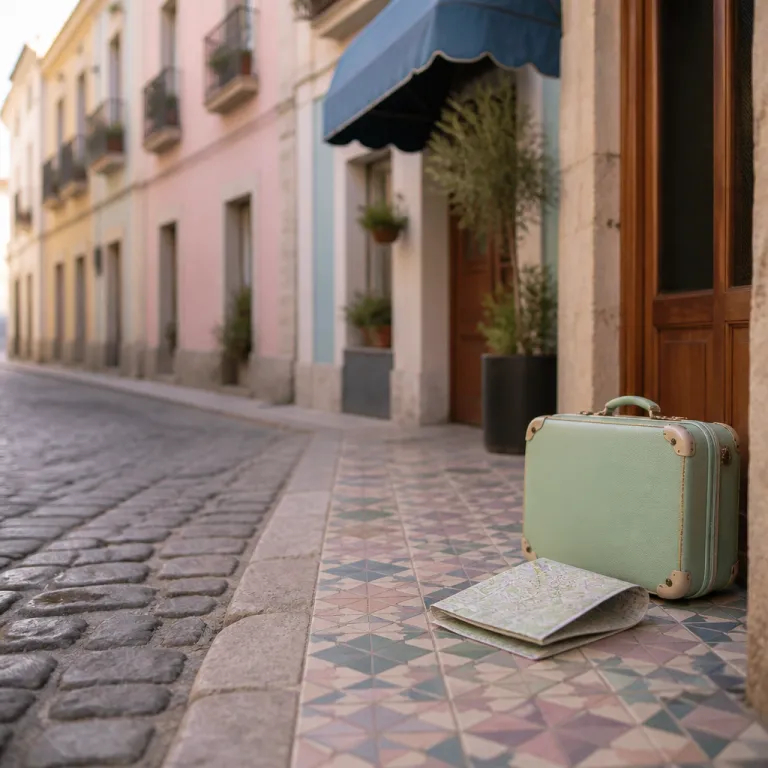
Why budget hotels in Madrid city center suit smart travellers
Staying in budget hotels in Madrid city center lets you invest more in experiences than in walls. When your hotel is located within a short walk of Gran Vía, Puerta del Sol and Plaza Mayor, you cut commuting time and public transportation costs while gaining extra hours to enjoy the city. For a price aware traveller, that balance between nightly rate, comfort and location often matters more than elaborate design details.
The most practical advantage of a central hotel in Madrid is proximity to the metro network. From Gran Vía, Callao or Sol metro stations, you can reach the airport in under an hour, the Museo del Prado in minutes and quieter neighbourhoods for a peaceful night sleep without needing taxis. Many affordable hotels in Madrid city center offer compact rooms that prioritise good beds, effective soundproofing and strong showers over unnecessary extras, which is exactly what most city break guests actually use.
Price sensitive visitors sometimes worry that a hotel address near Puerta del Sol or Plaza del Callao will automatically mean noise and crowds. In reality, several well run cheap hotels in Madrid city center are located on side streets just off the main avenues, where rooms facing interior courtyards provide a surprisingly calm stay. When comparing hotels, focus on room orientation, double glazing and guest reviews that mention how quiet the room felt at night, rather than only looking at the nightly rate.
Gran Vía, Sol and the heart of the city center
Gran Vía is the spine of central Madrid, lined with theatres, cinemas and historic façades that glow after dark. Choosing budget accommodation in Madrid city center around this avenue means you can walk to Puerta del Sol, Plaza de España and the elegant Barrio de las Letras without relying heavily on public transportation. For many guests, being located between Gran Vía and Puerta del Sol offers the ideal mix of energy, convenience and late night options.
Puerta del Sol itself is one of the busiest squares in the city, yet several discreet central hotels sit on the surrounding streets called Calle del Arenal, Calle del Carmen and Calle de Preciados. These properties often provide small but efficient rooms, with air conditioning, blackout curtains and firm mattresses that help secure a solid night sleep despite the lively atmosphere outside. If you are budget conscious, look for hotels that include free Wi Fi and a simple breakfast, because these inclusions reduce the overall cost of your stay in the city center.
Food lovers will appreciate that the area between Gran Vía and Sol is packed with tapas bars, traditional taverns and contemporary gastro venues. When you book a hotel located near Calle del Huertas or Plaza de Santa Ana, you can enjoy an evening in a local bar and walk back to your room in under ten minutes, which feels both safe and efficient. For more detailed guidance on how to choose a Madrid hotel near the best tapas bars in the city center, you can consult this specialist resource on selecting a hotel close to standout tapas streets.
Comparing central districts for a budget friendly stay
Not every part of Madrid’s center feels the same, even when distances are short. Gran Vía and Puerta del Sol are ideal for travellers who want to enjoy the city’s theatres, flagship shops and late night energy, while nearby Lavapiés and La Latina offer a more bohemian atmosphere with lower average hotel prices. When assessing budget hotels in Madrid city center, think in terms of micro neighbourhoods rather than just the broad label of "central".
For example, a hotel located near Plaza Mayor or Calle del Toledo will place you close to traditional tapas bars and the Sunday Rastro market, which suits visitors who enjoy historic streets and casual evenings. By contrast, staying closer to the Prado and Paseo del Prado is better for art focused travel, because you can walk to the Museo del Prado, Museo Thyssen Bornemisza and Museo Reina Sofía in a single day. In both areas, you will find hotels with compact rooms that prioritise cleanliness and efficient layouts over large floor space, which keeps nightly rates accessible for travellers on a budget.
First time visitors sometimes underestimate how walkable the city center really is. From Puerta del Sol to the Prado area, the walk takes around fifteen minutes, passing through leafy Plaza de la Lealtad and the lower part of Gran Vía, so you may not need to use the metro at all for some days. To refine your choice of district, a curated guide to the best neighbourhoods to stay in Madrid and how to choose the right area can be extremely helpful when balancing budget, ambience and access to public transportation.
Access, metro links and getting from the airport
Efficient access from Madrid Barajas airport is a major advantage of staying in the city center. The metro line 8 connects the airport to Nuevos Ministerios, where you can change to lines that run directly to Gran Vía, Sol and other central stations, keeping your total travel time reasonable and your budget under control. Many budget hotels in Madrid city center highlight their distance to the nearest metro stop in metres, which is a useful metric when you are comparing locations on a map.
If you prefer overground options, the airport express bus runs to Cibeles and Atocha, both of which sit on the edge of the historic center and near the Prado. From these hubs, you can either walk or take a short metro ride to your chosen address near Puerta del Sol, Plaza Mayor or Gran Vía, depending on where your selected hotel is located. Budget minded travellers often choose flights that arrive late at night, so it is worth checking whether your hotel offers 24 hour reception and clear late check in instructions to ensure a smooth first night sleep.
Once you are settled, Madrid’s public transportation system makes it easy to enjoy different districts without spending heavily on taxis. A central stay near Sol or Callao allows you to reach Chamartín, Retiro Park, the Prado area and even the Vicente Calderón surroundings with simple metro changes, keeping your daily travel budget predictable. Because many budget hotels in Madrid city center do not include parking, relying on metro, buses and walking is usually the most practical and economical choice for a short city break.
What to expect from budget friendly rooms and services
Guests choosing budget hotels in Madrid city center should expect compact but functional rooms rather than expansive suites. Typical room sizes range from 12 to 18 square metres, with a focus on comfortable beds, efficient storage and modern bathrooms that allow a restorative night sleep after long days in the city. When evaluating a hotel, pay close attention to recent guest reviews that mention cleanliness, water pressure and air conditioning performance, because these factors matter more than decorative details in this price segment.
Many central hotels near Puerta del Sol, Plaza de España and the Prado area now offer free Wi Fi, individual climate control and soundproof windows as standard. Some properties include a small bar or café on the ground floor, where you can enjoy a simple breakfast or an evening drink without leaving the building, which is convenient after a late night in the city. Travellers watching their budget should also check whether the nightly rate includes extras such as luggage storage on departure day, because this can extend your effective stay in the center without paying for an additional night.
While services are streamlined, staff in these hotels are usually experienced in handling short urban stays. Reception teams can advise on metro routes to the airport, recommend a nearby bar for tapas around Plaza Mayor or suggest quieter streets for an evening stroll when you want to enjoy the city without crowds. If shopping is part of your travel plan, you may find inspiration in this guide to Madrid outlet malls and hotel based shopping breaks, which helps you combine a central stay with targeted retail excursions.
Balancing nightlife, quiet streets and authentic Madrid character
Central Madrid is famous for its nightlife, and that vibrancy is both a draw and a challenge for light sleepers. Areas around Gran Vía, Puerta del Sol and Plaza de Santa Ana stay lively until late, so choosing a hotel located on a side street or with interior facing rooms can significantly improve your night sleep. When you compare budget hotels in Madrid city center, look for mentions of double glazing, interior patios and higher floor rooms, which usually experience less street noise.
For travellers who want to enjoy the city’s bars but retreat to calmer surroundings, districts like Las Letras, parts of La Latina and the streets just behind Plaza Mayor offer a good compromise. You can spend the evening in a traditional bar on Calle del Cava Baja or around Plaza de la Paja, then walk a few minutes back to a quieter address that still sits firmly within the city center. Value focused guests should also consider travelling outside peak weekends, when central streets are slightly less crowded and some hotels adjust their nightly rates downward.
Despite its popularity, the historic core around Puerta del Sol and Plaza Mayor still retains authentic corners. Early morning walks reveal local cafés serving breakfast to residents, while the area near the Prado and Paseo del Prado fills with museum goers rather than party crowds, creating a different rhythm to enjoy. By aligning your preferred style of stay with the micro location of your hotel, you can experience both the energy and the quieter daily life of Madrid without compromising your budget or comfort.
Key figures for central Madrid stays on a budget
- Average nightly rates for two star and simple three star hotels in Madrid city center often range between 70 and 130 euros for a standard double room, depending on season and demand, according to pricing data from major booking platforms compiled in early 2024 (see, for example, the accommodation statistics section of Madrid Destino and recent INE tourism releases).
- The metro journey from Madrid Barajas airport to central stations such as Sol or Gran Vía typically takes around 40 to 50 minutes, offering one of the most cost effective transfers into the city for budget conscious travellers, based on 2024 schedules from the Consorcio Regional de Transportes de Madrid and the official airport transport pages.
- Walking distances in the historic center are short, with only about 1 kilometre separating Puerta del Sol from the Prado Museum, which allows many visitors to explore key sights without spending anything on public transportation; this estimate is based on city center walking maps published by Madrid Destino.
- Madrid’s central district concentrates a high density of accommodation, with several hundred hotels and guesthouses operating within a roughly three kilometre radius, according to tourism statistics from the Madrid city council and Spain’s Instituto Nacional de Estadística (INE) for 2023–2024.
- Visitor surveys from the Madrid tourism board consistently show that location is cited as a top priority by guests choosing a hotel, often ranking above on site facilities when the stay is focused on culture, food and nightlife, as summarised in recent Madrid Destino satisfaction reports.
FAQ: booking budget hotels in Madrid city center
Which areas are best for budget hotels in Madrid city center ?
Gran Vía, Puerta del Sol, La Latina and the Barrio de las Letras offer the widest choice of budget hotels in Madrid city center, with good access to metro lines and major sights. These districts balance nightlife, culture and walkability, making them ideal for short urban stays. Prices vary by street, so checking exact addresses and nearby metro stations is essential.
How early should I book a central Madrid hotel on a budget ?
For peak periods such as major festivals, long weekends and large events, booking a budget hotel in Madrid city center at least two to three months in advance usually secures better rates. Outside those peaks, you can often find competitive prices four to six weeks before arrival. Last minute deals exist but tend to be less predictable in the most central streets.
Is it noisy to stay near Puerta del Sol or Gran Vía at night ?
Both Puerta del Sol and Gran Vía remain busy late into the night, so street facing rooms can experience noise. Choosing a hotel with interior rooms, higher floors and modern soundproofing significantly improves the chances of a restful night sleep. Reading recent guest reviews that mention noise levels is one of the most reliable ways to assess this factor.
Do budget hotels in Madrid city center offer airport transfers ?
Some central hotels can arrange private transfers from Madrid Barajas airport, but this service is not universal in the budget segment. Most budget conscious travellers use the metro or the airport express bus, which connect efficiently to central hubs like Cibeles, Atocha, Sol and Gran Vía. It is worth checking your hotel’s website or contacting reception to confirm available options.
Is it safe to walk around the city center at night when staying in a budget hotel ?
The central areas of Madrid around Gran Vía, Puerta del Sol and the Prado are generally busy and feel safe, with a visible police presence and many people on the streets. As in any major city, you should keep an eye on your belongings and avoid very quiet alleys late at night. Choosing a hotel on a well lit street near a metro station adds an extra layer of comfort when returning after dark.
Sources and further reading
- Madrid Destino – official tourism information for Madrid, including neighbourhood guides, walking maps and transport details (consulted 2024).
- Consorcio Regional de Transportes de Madrid – official information on metro, bus and airport connections, with current fares and journey times for line 8 and central interchanges (consulted 2024).
- Instituto Nacional de Estadística (INE) – Spanish statistics office with data on tourism flows, hotel capacity and accommodation trends for the Madrid region (latest releases 2023–2024).