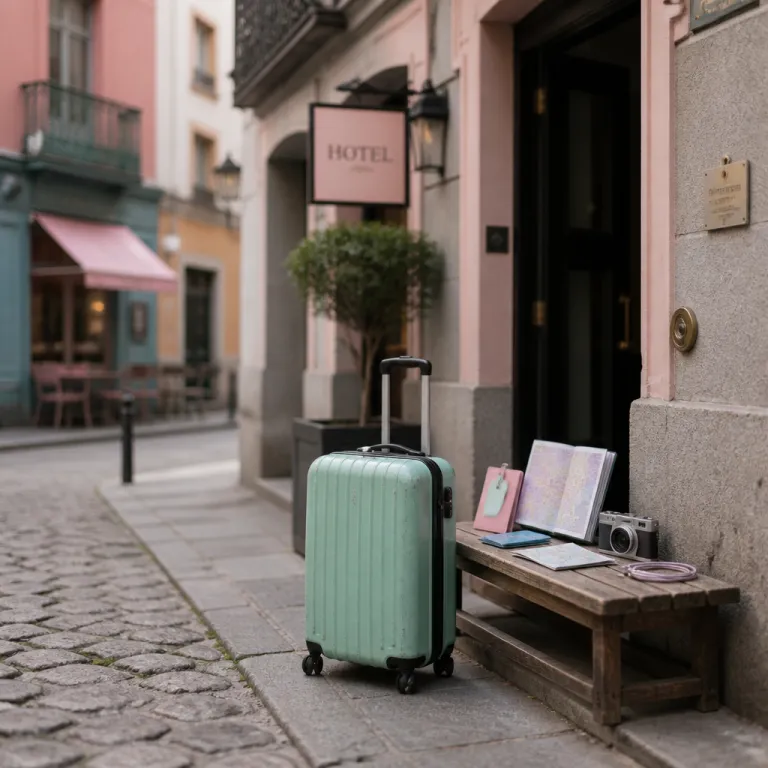
Understanding where to stay in Madrid around the city center
Choosing where to stay in Madrid starts with understanding how compact the city center really is. From Plaza Mayor to the Puerta del Sol area, you can cross the historic core on foot in about fifteen minutes, which makes many hotels feel surprisingly close to the main sights. This dense layout means your chosen neighborhood will shape every stay, from morning coffee spots to late night tapas bars.
For first time visitors asking where to stay in Madrid, the answer often begins in Sol and the surrounding streets that form the classic city center. Official tourism advice from the Madrid City Council, published through the Madrid Destino portal and consulted in 2024, is clear on this point: “Sol (city center) is ideal for first-time visitors due to its central location and proximity to major attractions.” When you stay in Madrid near Sol, you are within walking distance of the Royal Palace, Plaza Mayor, the Teatro Real and the grand Gran Vía avenue.
Think of the central neighborhoods as a series of overlapping circles rather than strict borders. The historic center stretches from the Royal Palace and the old Habsburg quarter of Los Austrias to the literary quarter of Barrio de las Letras and the museum axis near the Prado Museum. Each area offers different pros and cons for your stay, so a good guide will compare them clearly instead of treating the city as one generic block of hotels. On a simple map, imagine Puerta del Sol in the middle (roughly 40.4169° N, 3.7035° W), with Plaza Mayor and Los Austrias to the west, Gran Vía to the north and Barrio de las Letras and the Prado Museum to the east, all within a ten to twenty minute walk.
Sol and Plaza Mayor: classic city center stays with energy day and night
If your priority is to be in the absolute heart of Madrid, then staying between Puerta del Sol and Plaza Mayor places you at the city’s most emblematic crossroads. Around the Puerta del Sol square, hotels fill historic buildings with compact rooms, lively streets and almost constant movement at every hour. This is where to stay in Madrid when you want to step out of your hotel and immediately feel the pulse of the city center, with metro lines 1, 2 and 3 converging at Sol station beneath your feet.
The pros of this area are obvious: you are minutes from Plaza Mayor, Plaza del Callao, the Royal Palace and the main shopping streets that radiate from Sol. Many travelers consider these blocks the best areas for a short stay in Madrid because you can walk to the Prado Museum in about twenty minutes while passing through Barrio de las Letras and the elegant Paseo del Prado. Typical mid range hotels here might include refurbished boutique properties on Calle Arenal or Calle Mayor, with price ranges often between 130 and 220 EUR per night depending on season, according to average central rates reported in the Madrid Hospitality Report 2023.
There are cons to balance, especially if you value calm evenings and wide rooms. Noise from Puerta del Sol, Calle Mayor and the streets around Plaza del Carmen can carry late into the night, and some older hotels in the historic center have smaller rooms than modern properties further from the city center. If you want a good compromise, look for places to stay just off the main plazas, such as the quieter stretches of Calle de la Cruz or Calle de Bordadores, where side streets feel more residential but you remain close to where you most want to stay. For easier access, check whether your chosen hotel has elevators, as a few traditional buildings still combine staircases with compact lifts.
Los Austrias and the historic center: atmospheric streets near the Royal Palace
West of Plaza Mayor, the Los Austrias quarter offers one of the most characterful answers to where to stay in Madrid. This historic center neighborhood, shaped by the Habsburg dynasty, is a maze of stone façades, arcades and small plazas that frame views of the Royal Palace and the Almudena Cathedral. Hotels here tend to occupy former townhouses and palaces, with rooms that mix traditional details and contemporary comfort, and you can reach Ópera metro station on lines 2 and 5 in just a few minutes on foot.
Staying in Los Austrias places you between Plaza Mayor, the Royal Palace and the quiet gardens that descend toward the Campo del Moro park. The pros of this area include a strong sense of history, easy access to the Teatro Real and a short walk to the tapas bars along Calle Cava Baja and Calle Cava Alta in nearby La Latina. Many travelers find that these streets offer a great balance between a nice local atmosphere and proximity to the city center landmarks. A typical evening might involve strolling five minutes from your hotel to Plaza de la Villa, then continuing downhill for tapas before returning by way of the softly lit palace façade and the viewpoints near Plaza de Oriente.
However, there are cons that matter if you prefer modern layouts and large rooms. Some hotels in the historic center have irregular floor plans, and the charming streets of Los Austrias can be steep or paved with cobblestones, which is not ideal for every traveler. When you evaluate where to stay, weigh these pros and cons carefully, especially if accessibility or easy luggage handling is a priority during your stay in Madrid. Expect prices similar to Sol, with many small hotels and guesthouses in the 120 to 200 EUR range, and always confirm whether there is step free access from street level to reception or whether you will need to manage a few steps.
Barrio de las Letras and the Prado Museum axis: cultured stays near El Prado
East of Puerta del Sol, Barrio de las Letras offers one of the best answers to where to stay in Madrid for travelers who love art and literature. This neighborhood, also called the Literary Quarter, once housed writers such as Cervantes and Lope de Vega, and today its streets are inscribed with quotations and lined with cafés. Hotels here sit between the city center and the museum district, which makes every stay feel both cultured and convenient, with Antón Martín and Sevilla metro stations nearby for quick connections.
From Barrio de las Letras you can walk to the Prado Museum, the Museo Thyssen Bornemisza and the Reina Sofía along the Paseo del Prado in just a few minutes. Many travelers consider these blocks among the best areas for a refined stay in Madrid because you can enjoy quiet evenings on pedestrian streets while remaining close to Plaza del Ángel, Plaza de Santa Ana and the livelier parts of the center. Some properties offer private courtyards or terraces that look over tiled roofs, which creates a very different mood from the bustle around Sol. A common routine is to spend the morning at the Prado, return to your hotel for a short rest and then head out again on foot for dinner in the Literary Quarter, perhaps around Calle de las Huertas or the small bars near Plaza de Matute.
The pros of this neighborhood include excellent dining, good access to Retiro Park and easy connections to Atocha station for trains across Spain. On the cons side, streets can be narrow, and some hotels have smaller rooms facing internal patios rather than open views toward the city. When you compare places to stay, check room descriptions carefully and decide whether you prefer a quiet interior room or a livelier balcony overlooking the life of Barrio de las Letras. Price levels here often sit between 120 and 210 EUR per night, with many buildings offering elevators but sometimes with a few steps at the entrance, so accessibility notes in recent reviews and on booking platforms are worth reading.
Gran Vía and adjacent streets: central hotels for shopping and shows
Gran Vía is Madrid’s grand avenue, and it offers a very different answer to where to stay in Madrid compared with the older historic center. Here, early twentieth century façades hide modern hotels with larger rooms, wellness facilities and rooftop pools that look across the city skyline. This is one of the best areas if you want a stay focused on shopping, theatres and easy metro connections, with Gran Vía, Callao and Santo Domingo stations on lines 1, 2 and 3 usually within a short walk.
From a practical perspective, Gran Vía sits between Puerta del Sol, Plaza de España and the Chueca and Malasaña neighborhoods, which makes it a strong base for exploring the wider city center. Many hotels here offer good soundproofing, private gyms and family rooms, which can be a great advantage over some smaller properties closer to Plaza Mayor or Los Austrias. You are also close to Plaza del Callao and the main cinemas and musical theatres, so an evening show can be part of your regular stay routine. The nearest metro stops, such as Gran Vía, Callao and Santo Domingo, usually lie within a five minute walk of most hotels on or just off the avenue, and buses along Calle Gran Vía and Calle Princesa add further options.
There are clear pros and cons to consider before you choose this neighborhood. The pros include wide pavements, excellent public transport and a strong choice of mid range and upscale hotels with consistent room standards. The cons involve heavier traffic, bright lights and a slightly less intimate feel than the older streets around the Royal Palace or Barrio de las Letras, so think about whether you prefer energy or quiet when deciding where you most want to stay. Typical nightly rates range from around 140 EUR for standard rooms to 230 EUR or more for larger suites with city views, and most buildings have elevators and step free access, which can be reassuring for travelers with mobility concerns.
Practical tips, price expectations and how to match areas to your stay
Once you have narrowed down where to stay in Madrid by neighborhood, it helps to match your expectations to real price levels. The Madrid Tourism Board’s hospitality statistics, updated in 2023 and summarized again in early 2024, report that the average hotel price per night in the city is around 150 EUR, with roughly 800 hotels and an average occupancy rate of about seventy five percent. These figures, drawn from the Madrid Hospitality Report 2023 and Madrid Destino summaries, explain why booking early is wise, especially if you want a specific area such as Sol, Los Austrias or Barrio de las Letras during peak dates.
Think carefully about the pros and cons of each central area before you confirm your stay. Sol and Plaza Mayor are best for first time visitors who want to walk everywhere, while Los Austrias and the streets near the Royal Palace feel more atmospheric and residential. Barrio de las Letras and the Prado Museum axis suit art lovers, and Gran Vía works well if you value modern rooms, private facilities and quick access to the wider city center. As a simple rule of thumb, expect central double rooms in these districts to cluster between 120 and 220 EUR per night, with higher prices during major events and lower rates in quieter months when occupancy dips below the annual average.
When you compare hotels, look beyond headline photos and check room sizes, window orientation and whether there are quiet interior options for light sleepers. Use online maps to see exactly where a property sits in relation to Puerta del Sol, Plaza Mayor, the Prado Museum and the Royal Palace, then read recent guest reviews to understand real pros cons rather than marketing promises. With this methodical approach, your stay in Madrid will feel both well planned and pleasantly spontaneous once you arrive in the city. A quick sketch map or screenshot on your phone showing your hotel, the nearest metro stops and approximate walking times to key sights can also make day to day navigation much easier.
Key figures for choosing where to stay in Madrid
- The average hotel price per night in Madrid is about 150 EUR, according to the Madrid Tourism Board’s 2023–2024 hospitality summaries and the Madrid Hospitality Report 2023, which helps set realistic budgets for a central stay.
- There are roughly 800 hotels across the city, based on Madrid Hotel Association data compiled up to 2024 and cited by Madrid Destino, so focusing on a specific neighborhood such as Sol or Barrio de las Letras is essential.
- The average occupancy rate in Madrid hotels is around seventy five percent, as reported in the Madrid Hospitality Report for 2023 and recent municipal tourism bulletins, which explains why early booking is recommended for the best areas.
FAQ: where to stay in Madrid’s city center
What is the best area to stay in Madrid for first time visitors ?
For a first stay in Madrid, the Sol area in the city center is usually the best choice because it places you within walking distance of Plaza Mayor, Gran Vía, the Royal Palace and the main shopping streets. You can also reach Barrio de las Letras and the Prado Museum on foot, which makes it easy to explore without relying heavily on transport. This central position is ideal if you want a short but intensive introduction to the city.
Which neighborhood is best for nightlife while staying in the center ?
If you want nightlife close to the city center, consider staying near Gran Vía with easy access to Malasaña and Chueca. These neighborhoods offer a dense mix of bars, live music venues and late opening restaurants, while still keeping you close to Sol and Plaza Mayor. Choosing a hotel on a quieter side street, such as a block away from the main avenue or near Plaza de San Ildefonso, will help balance lively evenings with a good night’s sleep.
Where should families stay in Madrid near the main sights ?
Families often do well in areas on the edge of the busiest streets, such as the calmer parts of Barrio de las Letras or the streets between Plaza de España and the Royal Palace. These locations offer larger rooms, easier access to green spaces and quieter evenings than Puerta del Sol itself. At the same time, you remain close enough to walk into the historic center for sightseeing, and metro stops like Plaza de España or Ópera make it simple to reach farther attractions.
Which area in Madrid is best for art and museum lovers ?
Art enthusiasts should look for hotels around Barrio de las Letras and the Paseo del Prado, which place you between the Prado Museum, the Thyssen Bornemisza and the Reina Sofía. From here, you can also walk to Retiro Park and return to the city center in the evening for dinner. This area combines cultural access with a pleasant, walkable neighborhood feel and straightforward links to Atocha station for regional trains.
How far in advance should I book a central hotel in Madrid ?
Because the average occupancy rate in Madrid hotels is around seventy five percent, it is wise to book several weeks ahead for stays in Sol, Plaza Mayor, Los Austrias or Gran Vía. During major events and holidays, central rooms in the best areas can sell out even earlier. Early booking gives you a wider choice of room types and better value in your preferred neighborhood, especially if you want flexible cancellation or specific bed configurations.
Trusted references for planning your stay
For up to date practical information about Madrid neighborhoods and the city center, consult the official Madrid Destino tourism portal, which regularly updates its guidance and statistics on hotel performance and visitor numbers. To compare hotels and guest reviews across Sol, Los Austrias, Barrio de las Letras and Gran Vía, use established international booking platforms with verified feedback and recent photos that reflect current room standards. For cultural planning around the Prado Museum and the Royal Palace, the official websites of the main museums and the Patrimonio Nacional network provide reliable schedules and visitor details, usually with the latest information for the current season and any temporary closures.