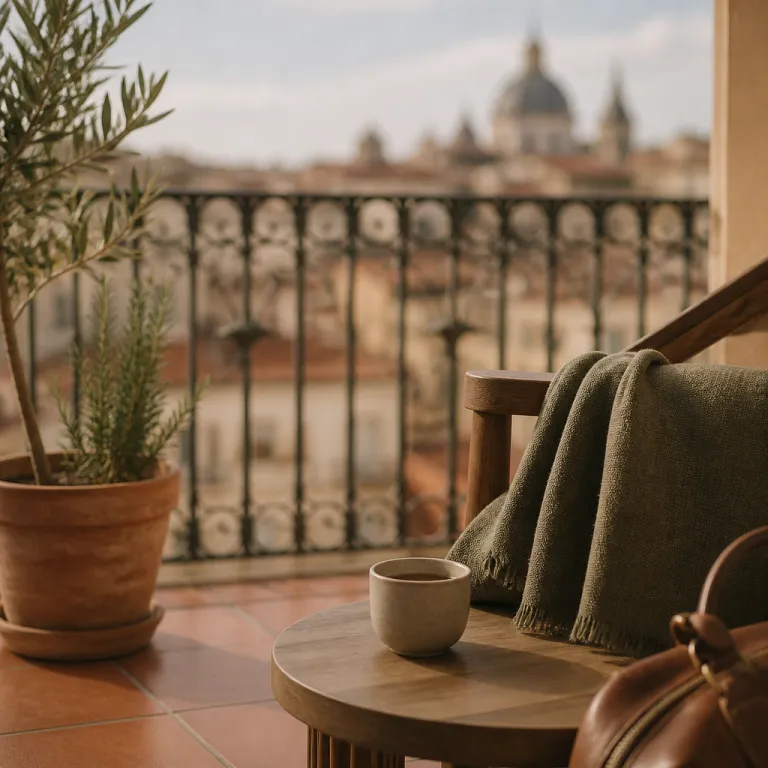
Staying near the top attractions in Madrid, Spain
Choosing a hotel close to the top attractions in Madrid, Spain shapes your entire trip. When you stay within the historic Madrid city centre, you cut travel time and gain precious minutes for each museum, plaza, and park visit. For many travellers, the best strategy is to find a place that balances quiet streets with fast access to the liveliest parts of the Spanish capital.
Think of the city as a series of elegant circles, with Puerta del Sol at the heart and the great art museums and the Royal Palace of Madrid forming a walkable ring around it. Around this compact core, you will find neighbourhoods that feel distinctly Spanish, where traditional restaurants, late night flamenco venues, and local markets sit beside contemporary hotels. If you plan your stay around the main royal, art, and park landmarks, you will experience the best Madrid highlights without spending half your day underground on the metro.
For first time visitors, I usually recommend booking within a 15 minute walk of Puerta del Sol or Plaza Mayor, because this area offers the most efficient access to the top attractions in Madrid, Spain. From here, you can reach the Royal Palace in about 10 to 15 minutes on foot, the Prado Museum in roughly 20 minutes, and Retiro Park in around 25 minutes, while still having time to pause in a plaza for coffee. This central position also makes early morning museum entries and late evening strolls through the city feel effortless, with Sol, Opera, and Gran Vía metro stations on lines 1, 2, and 3 keeping you connected.
Royal Madrid: staying near the Royal Palace and Plaza Mayor
If your idea of the best Madrid experience involves royal history and grand architecture, focus your hotel search around the Royal Palace of Madrid and Plaza Mayor. This part of the city is where the Spanish monarchy, ceremonial plazas, and centuries of urban life converge in a remarkably compact area. From a practical perspective, staying near the palace complex means you can visit major sites early in the day, before the tour groups arrive, and walk there from Opera or La Latina stations in about 10 minutes.
The Royal Palace and its surrounding squares form one of the most atmospheric places in Madrid, especially in the soft light just after sunrise or at dusk. Plaza Mayor, with its arcades and café terraces, is only a short walk away, so you can enjoy this plaza both when it is quiet and when it is animated by street performers and local families. Many travellers find that this area offers some of the best access to traditional Spanish restaurants, where you can taste cocido madrileño or grilled seafood after an evening stroll through the old town streets.
From a hotel near Plaza Mayor or Puerta del Sol, you can easily plan a day that combines royal and everyday city life. Start with a guided visit to the Royal Palace in the morning, then cross the plaza network towards Mercado de San Miguel, the famous covered market that locals simply call San Miguel. In the evening, you might attend a flamenco performance in a nearby tablao, turning a simple day in central Madrid into a layered cultural experience. For orientation, travellers often compare options such as budget friendly guesthouses around Calle Arenal, mid range boutique hotels near Plaza de Oriente, and higher end properties overlooking Plaza Mayor itself.
Art triangle stays: Prado Museum, Reina Sofía, and Thyssen Bornemisza
For travellers who prioritise art, staying near the so called Golden Triangle of Art is one of the best decisions you can make in Madrid, Spain. This area, stretching along the elegant Paseo del Prado, brings together the Prado Museum, the Museo Reina Sofía, and the Thyssen Bornemisza Museum in a walkable corridor. When your hotel is nearby, you can divide your visit into shorter sessions, returning to your room to rest between intense encounters with world class art.
The Prado Museum alone houses masterpieces by Velázquez, Goya, and El Greco, and it welcomed around three million visitors in 2022 according to the Museo Nacional del Prado annual report for that year. Just a short walk away, the Reina Sofía focuses on modern and contemporary art, with Picasso’s Guernica as its emotional centrepiece. Completing the trio, the Thyssen Bornemisza offers a sweeping journey from medieval panels to twentieth century canvases, making this district essential for anyone planning a serious art focused trip.
Hotels in this part of the city also place you close to Retiro Park, which covers about 1.4 square kilometres according to surface figures published by the Madrid City Council in 2021, and offers a green counterpoint to the intensity of the museums. You can start your day with a quiet walk through the park before your timed entry at the Prado Museum, then later cross to the Reina Sofía or Thyssen Bornemisza for an afternoon visit. In the evening, the nearby streets offer refined Spanish restaurants and relaxed wine bars, and Atocha and Banco de España metro stations on lines 1 and 2 keep you within a 15 minute ride of most other neighbourhoods; many visitors also use the tourist travel pass, known locally as the abono turístico, for unlimited rides over one to seven days.
Green escapes and sunset views: Retiro Park and the Temple of Debod
Not every day in Madrid, Spain needs to revolve around galleries and palaces, and many visitors now look for hotels that offer easy access to green spaces. Retiro Park is the city’s historic garden, a place where locals jog, row boats, and meet friends under the trees. Staying within walking distance of this park allows you to balance intense sightseeing with restorative time outdoors.
From a hotel near Retiro Park, you can design a day that starts with coffee on a terrace, continues with a gentle walk past the Crystal Palace, and ends with a relaxed picnic by the lake. This part of the city is also convenient for reaching the Prado Museum and the Thyssen Bornemisza, so you can alternate art and nature without long transfers. Families, in particular, appreciate having a large park nearby, because it gives children space to play between visits to more formal attractions, and Retiro, Ibiza, and Príncipe de Vergara stations on lines 2, 9, and 2 make it simple to return for an afternoon break.
On the western side of the city, the Temple of Debod offers one of the most memorable sunset views in Madrid. This ancient Egyptian monument, relocated stone by stone, stands in a small park that overlooks the royal quarter and the distant mountains. If you stay in this area, you can walk to the Temple of Debod in the evening, watch the sky change colour behind the Royal Palace, and then return to nearby restaurants for a late Spanish dinner in the Argüelles or Plaza de España districts, both served by metro line 3 and line 10 for quick returns to your hotel.
Food, nightlife, and football: where to stay for atmosphere
Many travellers choose their Madrid, Spain hotel based on food and nightlife rather than museums, and the city rewards that instinct generously. Around Mercado de San Miguel, you will find a dense cluster of tapas counters, wine stalls, and dessert stands under a striking iron and glass roof. Staying nearby means you can drop in several times a day, turning simple snacks into one of the top attractions in Madrid, Spain.
In the streets radiating from Puerta del Sol and Plaza Mayor, you will find everything from traditional taverns to contemporary cocktail bars, making this one of the best areas for evening walks. Flamenco venues are scattered through the centre, so you can combine a performance with dinner without worrying about late night transport back to your hotel. If you enjoy photographing city life, this district also offers classic views that often appear in travel magazines and on platforms that license images such as Getty Images, while nearby Gran Vía and Malasaña add a livelier, more bohemian nightlife.
Football enthusiasts may prefer to stay closer to the Santiago Bernabéu Stadium, especially if they plan to attend a match or stadium tour during their trip. This area in the northern part of Madrid has a more modern feel, with wide avenues, business hotels, and contemporary restaurants. From here, you can still reach the historic centre and the main museums by metro in about 20 minutes from Santiago Bernabéu station on line 10, while enjoying a quieter atmosphere at night; typical choices range from simple chain hotels near Paseo de la Castellana to upscale properties overlooking the stadium itself.
Planning your days and day trips from a central base
Once you have chosen a hotel near the top attractions in Madrid, Spain, the next step is to plan how you will structure each day. A central base near Puerta del Sol or Plaza Mayor allows you to move in efficient loops, visiting a museum in the morning, a park in the afternoon, and a different plaza in the evening. This approach reduces backtracking and leaves more time for spontaneous stops at cafés, shops, or small museums you might find along the way.
From the city centre, you can easily organise a day trip to nearby destinations such as Toledo, Segovia, or Ávila, all of which are reachable by train in under ninety minutes from Atocha or Chamartín stations according to journey times published by Renfe, Spain’s national rail operator, in 2023. Many visitors like to alternate intense urban days in Madrid with quieter excursions, returning to the same familiar hotel each night. Because public transportation in Madrid is extensive and tourist friendly, you can rely on trains and metro lines rather than renting a car for these excursions.
When planning your stay, remember a few practical guidelines that local tourism offices often repeat to visitors. Check opening hours in advance, purchase tickets online to avoid queues, and use public transportation for convenience, especially when moving between distant neighbourhoods. With this preparation, your time in Madrid, Spain will feel both efficient and relaxed, allowing you to experience the city’s royal heritage, art treasures, parks, and plazas at a comfortable pace, whether you stay in Sol, La Latina, or the upscale Salamanca district.
Key figures for planning a culturally rich stay in Madrid
- The Prado Museum welcomes around three million visitors each year, so booking timed tickets and staying nearby can significantly reduce waiting time at this flagship art museum, according to visitor statistics in the Museo Nacional del Prado 2022 annual report.
- Retiro Park covers approximately 1.4 square kilometres, offering enough space for long walks, jogging routes, and quiet corners, which makes nearby hotels attractive for guests who value daily access to greenery, based on surface data reported by the Madrid City Council in 2021.
- Madrid’s coordinates are roughly 40.4168° north and 3.7038° west, placing the city at a comfortable central point in Spain for onward rail connections to Toledo, Segovia, and other popular day trip destinations, as indicated in standard geographic references used by Spanish mapping services.
- Spring and autumn are widely regarded as the best seasons to visit Madrid, because temperatures are milder and crowds at major attractions such as the Royal Palace and the Prado Museum are usually lighter than in peak summer, a pattern regularly highlighted in seasonal advice from Madrid’s official tourism office.
FAQ: planning your hotel stay around Madrid’s top attractions
What is the best time to visit Madrid for sightseeing ?
Short answer: spring (April to June) and autumn (September to early November) offer the most comfortable mix of weather and crowd levels. During these seasons, you can comfortably walk between plazas, museums, and parks without the intense heat of midsummer, and hotel rates can also be more balanced, especially outside major holidays and event periods.
Are there free attractions in Madrid near central hotels ?
Yes, and they are easy to reach on foot from most central districts:
- Free entry hours at the Prado Museum and the Reina Sofía on selected afternoons or evenings.
- Public spaces such as Plaza Mayor, Puerta del Sol, Retiro Park, and the Temple of Debod, which are always free to enter.
- Neighbourhood churches and smaller plazas that you can explore without tickets, often just a few minutes’ walk from central hotels.
When choosing a hotel, consider how easily you can walk to these free sites, because that convenience often adds more value than a slightly lower room rate farther away.
Is public transportation in Madrid tourist friendly for hotel guests ?
Yes, it is straightforward to use: Madrid has an extensive and efficient public transportation system, including metro lines, buses, and suburban trains that connect the city centre with outer districts and nearby towns. From most central hotels, you can reach major attractions such as the Santiago Bernabéu Stadium, the art museums, and the royal quarter without needing a taxi, and many visitors purchase a tourist travel pass for unlimited rides over several days to simplify their movements and reduce overall costs.
Where should I stay for easy access to the main museums ?
If your priority is art, look for accommodation near the Paseo del Prado, between the Prado Museum, the Reina Sofía, and the Thyssen Bornemisza. This area allows you to visit each museum in shorter sessions, returning to your room to rest or change before dinner. You will also be within walking distance of Retiro Park, which provides a calm counterpoint to the intensity of the galleries.
Which area works best for a first trip focused on classic sights ?
For a first visit centred on the top attractions in Madrid, Spain, staying near Puerta del Sol or Plaza Mayor is usually the most practical choice. From this base, you can walk to the Royal Palace, the main plazas, Mercado de San Miguel, and the art triangle in a series of short, manageable routes. The area also offers a wide range of Spanish restaurants, cafés, and evening entertainment options, so you can experience the city’s atmosphere without long commutes.