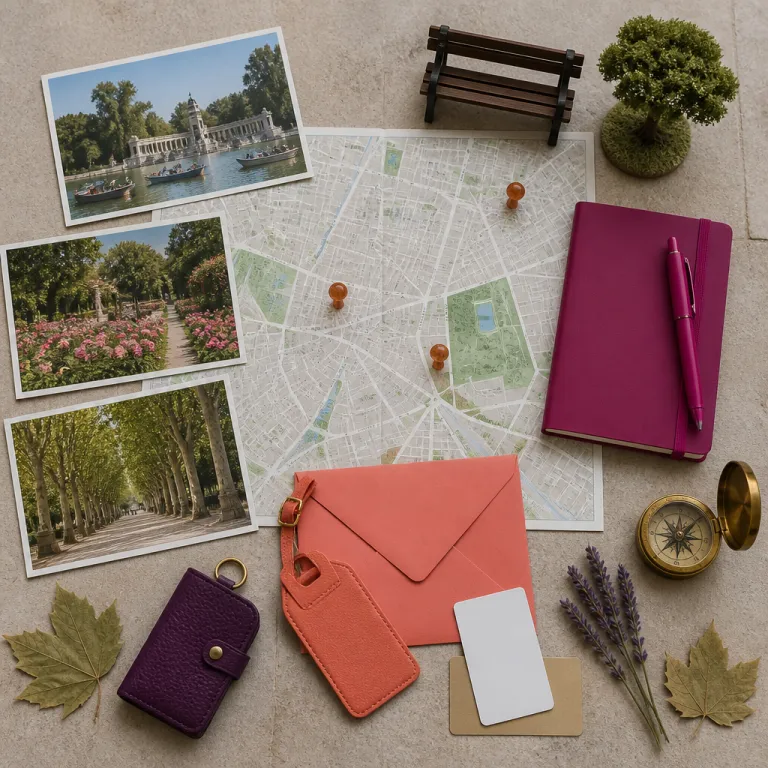
Why Madrid’s parks and gardens matter when choosing your hotel
Madrid is a dense, energetic city, and its parks offer balance. When you choose a hotel near the best parks and gardens in Madrid, you gain instant access to calm green space for early runs, evening strolls, and jet lag recovery. For many travellers comparing different areas of Madrid, proximity to trees, lawns, and water can be as decisive as room size or breakfast.
Across Madrid, urban planners have woven large parks and intimate gardens into the city fabric, so you can walk from a busy plaza to a quiet lawn in minutes. This network of green spaces shapes neighbourhood character, affects noise levels, and even influences air quality, which matters if you are staying several nights. When you evaluate locations on a map, think not only about sightseeing but also about how easily you can step into a park between meetings or museum visits.
For guests who value wellness, staying near a major park in Madrid Spain can replace a gym, offering long paths for a daily walk or run. Families often prioritise hotels close to safe parks and gardens where children can play under mature trees while adults relax on benches. Couples, meanwhile, may prefer a smaller historic garden for evening walks, where the setting feels intimate and the city noise fades quickly.
Retiro Park and the golden triangle of art
Parque del Retiro is the city’s most iconic green space, and it anchors one of the best areas to stay for culture lovers. The park covers about 118 hectares, so a hotel near Retiro Park gives you a vast green space for long walks, morning runs, and lakeside breaks between museum visits. Around this central park, visitors find a refined residential atmosphere, elegant avenues, and quick access to major sights.
On the western edge of the gardens, the Paseo del Prado forms part of the so‑called art triangle, with the Prado Museum, the Thyssen, and the Reina Sofía all within walking distance. The Real Jardín Botánico, often referred to as the Royal Botanic Garden or royal botanical garden, sits just off Paseo del Prado and adds another layer of greenery with more than 5,000 plant species. Choosing a hotel between Retiro Park and the botanical garden means you can walk from your room to two of the best parks and gardens in Madrid in under ten minutes.
Inside Retiro itself, you will find formal gardens, a rose garden, and long tree‑lined avenues that feel far removed from central Madrid traffic. The combination of water, lawns, and trees makes this one of the most versatile green areas in the city, suitable for picnics, rowing, or quiet reading. A practical tip: many travellers stay around Plaza de la Independencia or Barrio de las Letras, where mid‑range and boutique hotels sit within a five‑ to ten‑minute stroll of both the Prado and the Retiro lake.
Royal palace surroundings, Campo del Moro and Sabatini Gardens
West of the historic centre, the area around the Royal Palace offers a different style of greenery, more formal and regal. Here, the palace terraces step down towards the Campo del Moro gardens, a sweeping green space that feels surprisingly secluded despite its central location. Hotels in this part of Madrid give guests immediate access to manicured lawns, fountains, and some of the most photogenic palace views in the city.
Campo del Moro, sometimes written as campo del Moro, stretches between the palace and the Manzanares River, with long sightlines framed by tall trees. Above it, the Sabatini Gardens sit on a raised platform, offering geometric hedges, reflecting pools, and sunset views over the western edge of Madrid. Travellers who value evening walks often choose this area because you can walk from your hotel through palace squares, descend into the garden, and end the day in a quiet corner of green.
Nearby, Parque del Oeste extends the chain of parks Madrid offers on this side of the city, with more informal landscaping and broad paths. This park is ideal if you want a longer walk or run without leaving the central districts, and it connects well with residential areas that host several comfortable hotels. When you compare green spaces in this zone, think about whether you prefer the formal palace gardens or the more relaxed atmosphere of Parque del Oeste for your daily routine.
Casa de Campo and Madrid Río for active travellers
Across the Manzanares River from the palace district lies Casa de Campo, the largest park in Madrid and a favourite for active travellers. Casa de Campo, often written as Casa Campo in older references, covers more than 1,700 hectares, so it feels almost like countryside within the city. If you book a hotel near this area, you gain direct access to long cycling routes, forested trails, and a large lake popular with rowers and walkers.
Along the river itself, the Madrid Río project has transformed former roadways into a continuous green space with paths, playgrounds, and landscaped gardens. Hotels near Madrid Río are particularly appealing for families, because children can move between different parks and gardens without crossing major roads. Runners and cyclists appreciate that Madrid Río connects to other parks Madrid offers, allowing long, uninterrupted routes along the Manzanares River and into Casa de Campo.
For guests who prioritise outdoor exercise, staying near Casa de Campo or Madrid Río can be more valuable than being directly in the historic centre. You can still visit the old city easily by metro, then retreat to quieter streets and expansive parks gardens at night. When you evaluate park Madrid locations on a map, look for properties that sit within a ten‑minute walk of either the riverfront paths or a Casa de Campo entrance.
Smaller historic gardens and neighbourhood green pockets
Beyond the headline parks, Madrid hides smaller gardens that can quietly transform your stay. In the Salamanca district, for example, you are slightly farther from Retiro Park but close to elegant streets lined with trees and several pocket parks. Guests who choose hotels here often value calm residential surroundings, refined shopping, and the ability to walk to both a major park and smaller garden spaces.
Closer to the centre, you will find intimate squares and gardens tucked behind churches and civic buildings, each offering a few benches and a cluster of trees. These may not appear on lists of the best parks and gardens in Madrid, yet they matter when you want a quick break from the city without committing to a long walk. When you compare parks Madrid options, consider how these micro green spaces complement the larger parks gardens you plan to visit.
Some travellers also seek out themed gardens, such as a dedicated rose garden within a larger park, for photography or quiet reading. While you plan your itinerary, note which neighbourhoods offer both a main park and several smaller gardens within a short walk of likely hotels. This layered approach to green space ensures that, wherever you stay in Madrid Spain, you are never far from a tree‑shaded bench.
Practical tips for matching your hotel to Madrid’s green spaces
When you shortlist hotels, start by deciding which park or garden you want as your daily reference point. If art museums are central to your trip, staying between Retiro Park, the royal botanical garden, and the Paseo del Prado keeps you close to both culture and greenery. For palace views and formal gardens, focus on properties near the Royal Palace, Campo del Moro, and the upper terraces of Sabatini Gardens.
Active guests should look at maps of Madrid Río, Casa de Campo, and Parque del Oeste, then filter hotels by walking distance to a main entrance. Families may prefer neighbourhoods where a large park Madrid offers, such as Retiro or Casa de Campo, is complemented by smaller parks gardens with playgrounds. Business travellers, on the other hand, often balance meeting locations with access to at least one substantial green space for a morning walk or evening run.
Before you book, check recent guest photos to confirm real walking times to nearby parks and gardens, and to understand how busy paths feel at different hours. Remember the practical advice often shared by local tourism bodies: "Visit early to avoid crowds.", "Check opening hours in advance.", "Wear comfortable walking shoes.", "Bring water during summer months.", "Explore nearby attractions.". With a little planning, you can align your hotel choice with the best parks and gardens in Madrid and enjoy both the city’s energy and its quieter, greener side.
Key figures on Madrid’s parks and gardens
- El Retiro Park covers about 118 hectares in central Madrid, giving hotel guests in the surrounding districts one of Europe’s most generous inner‑city green spaces (Madrid Tourism Board).
- Casa de Campo extends over roughly 1,722 hectares west of the city centre, making it the largest public park in Madrid and ideal for long‑distance running and cycling (Madrid City Council).
- The Royal Botanic Garden near the Prado Museum maintains more than 5,000 plant species, so guests staying nearby can visit a living collection that spans several continents (Royal Botanic Garden official information).
- Parque del Oeste offers around 98 hectares of green space between Plaza de España and Moncloa, providing a substantial park alternative on the city’s northern side (Madrid municipal data).
FAQ: choosing a hotel near Madrid’s parks and gardens
What is the largest park in Madrid and where should I stay nearby ?
Casa de Campo is the largest park in Madrid, and hotels near the western edge of the city or close to the Madrid Río riverfront paths provide the easiest access. Look for properties near the cable car station or main park entrances if you plan to run or cycle daily. This area suits guests who prioritise outdoor activity over immediate proximity to the historic core.
Are Madrid’s main parks and gardens free to enter ?
Most major parks in Madrid, including Retiro Park, Casa de Campo, Parque del Oeste, and Campo del Moro, are free to enter. The Royal Botanic Garden near the Prado Museum usually charges a modest admission fee, which helps maintain its extensive plant collections. When budgeting your stay, you can assume that daily walks in most parks gardens will not add to your costs.
Which area is best if I want both museums and green space ?
The zone between Retiro Park, the Paseo del Prado, and the Royal Botanic Garden is ideal for combining art museums with easy access to greenery. From hotels here, you can walk to the Prado, Thyssen, and Reina Sofía, then retreat to tree‑lined paths within minutes. This area works particularly well for short stays where you want to minimise travel time.
Is boating available in any Madrid parks near central hotels ?
Yes, boating is available on the main lake in Retiro Park, which sits close to many central hotels in the Salamanca, Retiro, and Barrio de las Letras districts. You can usually rent a rowboat for a short session, turning a simple park visit into a relaxed outing on the water. Guests often combine a morning museum visit with an afternoon boat ride and a walk through the surrounding gardens.
Are guided tours of Madrid’s parks and gardens worth booking ?
Guided tours operate in several Madrid parks, including Retiro Park and the Royal Botanic Garden, and they can add context about history, design, and plant species. They are particularly useful if you are interested in landscape architecture or want structured time outdoors between meetings or conference sessions. For casual visitors who mainly want a quiet walk, self‑guided exploration is usually sufficient.