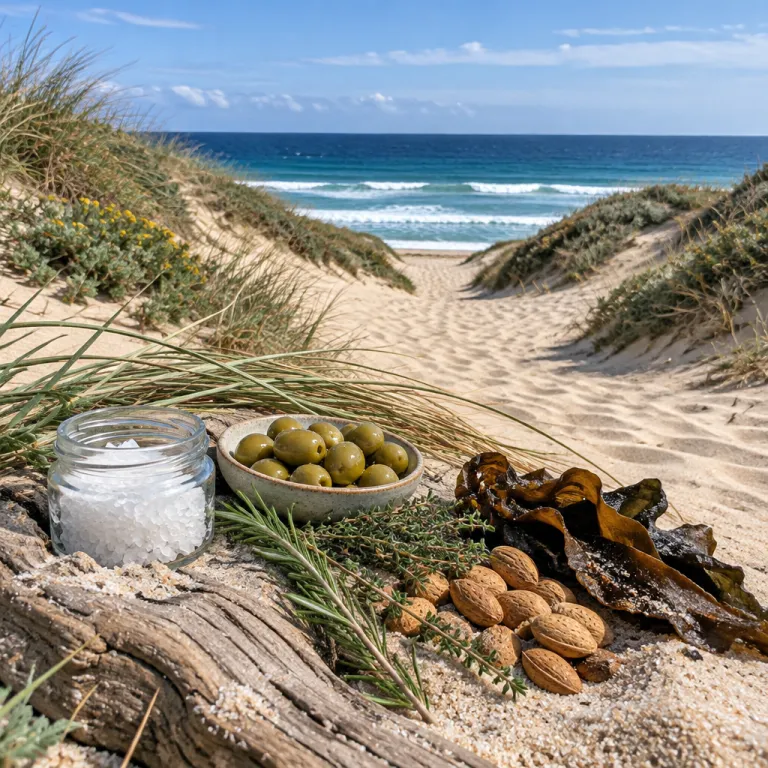
Why Madrid hotel guests are drawn to the Málaga dunes coast
Why Madrid hotel guests are drawn to the Málaga dunes coast
Staying in a central Madrid hotel gives you culture, gastronomy, and late night energy. Yet many guests quietly plan a coastal escape to the Málaga dunes area, pairing the capital’s museums with soft sand and wide ocean views. This combination of city sophistication and coastal calm suits travellers who want Madrid intensity without sacrificing restorative sea air.
When you look at a map, the Málaga dunes coastline sits far south of Madrid, but high speed trains and well maintained road links make the journey practical for a two or three night add on. Travellers often compare this route with coastal options near Los Angeles County in the United States, where places such as Palos Verdes and Rolling Hills offer a similar contrast between urban energy and quiet peninsulas. The Spanish south, however, layers Andalusian heritage, Mediterranean light, and a more compact city to coast transition that feels effortless once you leave the capital.
Think of your Madrid hotel as a strategic center for a wider itinerary that includes the Málaga dunes and nearby protected habitat. You can spend your first hours exploring the Prado and Retiro, then board an evening train and wake up the next morning near a coastal reserve with dunes, creeks, and gentle hills. This rhythm works especially well for guests who value both curated urban stays and access to nature rich trails within a single trip.
Planning your Madrid base for seamless escapes to the Málaga dunes
Choosing the right Madrid hotel location is the first step toward an elegant escape to the Málaga dunes. Look for properties near Atocha station or in the Salamanca district, where you can reach long distance trains quickly while still enjoying refined dining and shopping. From these areas, you can organise early departures to the south without sacrificing slow breakfasts or late check outs.
Many travellers combine a Málaga dunes stay with classic day trips from Madrid, using the same hotel as a stable base. If you are considering a side trip to Toledo, follow a detailed guide on how to plan a Toledo day trip from your hotel base before continuing south toward the coast. This layered approach lets you enjoy the historic city of Toledo, then shift your focus to the coastal dunes and beaches around Málaga without constant packing and unpacking.
When planning, pay attention to travel hours and seasonal patterns between Madrid and the Málaga dunes region. Trains from the capital to Málaga city usually take under three hours, after which a short road transfer brings you to quieter beach areas and dune backed stretches of sand. If you prefer to drive, the main road south offers reliable service stations and clear signage, though you should avoid peak holiday weekends when traffic toward the coast can be heavy.
From Madrid avenues to Málaga dunes: how the landscapes compare
Madrid’s urban grid, with its grand avenues and historic plazas, contrasts sharply with the rolling sand formations and coastal vegetation of the Málaga dunes. In the capital, your hotel may overlook a lively city center street, while at the coast you wake to the sound of waves and the scent of sea salt. This shift in atmosphere is precisely what many Madrid hotel guests seek when they extend their stay toward the south.
Think of the Málaga dunes as Spain’s answer to the dramatic cliffs and trails of the Palos Verdes Peninsula in Los Angeles County, though the Spanish version feels warmer, more compact, and deeply Andalusian. Where Rancho Palos Verdes and Rolling Hills Estates rise above the Pacific with ocean views and winding fire road paths, the Málaga dunes region offers gentler slopes, Mediterranean light, and a softer transition from creek to beach. Both coastal areas protect fragile habitat, yet the Spanish dunes sit closer to a major city center, making them easier to pair with a Madrid hotel stay.
Guests who enjoy walking will appreciate how the Málaga dunes landscape invites slow exploration along marked trails and informal paths. You might follow a sandy trail from a small creek mouth to a quiet beach, then continue reading the coastline as it curves toward Málaga city itself. Back in Madrid, this memory of open space and sea air often changes how travellers experience the capital’s parks, turning an ordinary stroll through El Retiro into a reminder of the dunes and ocean views further south.
Designing a two center stay: Madrid hotels and Málaga dunes retreats
A refined itinerary often starts with three or four nights in Madrid, followed by two or three nights near the Málaga dunes. Begin in a well located hotel close to museums and restaurants, then shift to a coastal property where every window frames the sea or nearby dunes. This two center approach works especially well for couples and solo travellers who value both culture and quiet.
When selecting your Madrid base, consider whether you prefer the energy of Gran Vía or the calmer streets near Retiro Park, as both offer easy connections to trains heading south. Some guests choose to stay near Calle Alcalá after reading detailed analyses such as whether to book a hotel near a high profile opening or simply dine there, then continue their journey to the Málaga dunes once they have sampled Madrid’s culinary scene. From there, a direct train or well planned road transfer takes you from the capital’s bright lights to the softer glow of the southern coast.
On arrival near the Málaga dunes, choose accommodation that respects the surrounding habitat and offers easy access to the beach on foot. Look for properties that highlight walking trails, dune conservation, and low impact design rather than only poolside amenities. This way, your Madrid hotel stay provides urban comfort, while your time by the dunes delivers a sense of space and environmental awareness that balances the trip.
Reading the coastal landscape: Málaga dunes and international parallels
Travellers who know the Californian coast often compare the Málaga dunes region with the Palos Verdes Peninsula, especially areas such as Portuguese Bend and the nearby nature reserves. In California, the Portuguese Bend Reserve and the adjacent canyons form a patchwork of trails, fire road segments, and protected slopes above the Pacific. Around the Málaga dunes in Spain, you find a similar interplay of coastal paths, creek beds, and low hills, though the vegetation and light feel distinctly Mediterranean.
In Los Angeles County, roads such as Palos Verdes Drive connect neighbourhoods like Rancho Palos Verdes, Rolling Hills, and Rolling Hills Estates, where estates sit above the ocean with sweeping views. The Spanish south offers its own version of this, with coastal roads linking Málaga city to smaller beach towns and dune backed stretches that feel far from the urban center. While the names differ, the rhythm is familiar; a main road hugs the coast, side lanes drop toward the beach, and trails climb gently into the hills for wider ocean views.
For Madrid hotel guests, these parallels help frame what to expect when they finally reach the Málaga dunes. Instead of the dramatic cliffs of Palos Verdes Estates, you encounter softer contours, sandy paths, and a more intimate relationship between creek, dune, and sea. Yet the sense of being on the edge of a city, close to services but immersed in nature, echoes the best parts of both coasts.
Practical tips: timing, transport, and nearby escapes beyond the Málaga dunes
Timing your escape from Madrid to the Málaga dunes matters as much as hotel selection. Spring and early autumn usually offer pleasant temperatures, quieter beaches, and more comfortable walking hours along the dunes and nearby trails. Many travellers avoid the peak of August, when both Madrid and the southern coast can feel crowded and hot.
If you are building a broader itinerary of nearby escapes from Madrid, consider adding Segovia before or after your coastal stay. A detailed resource on how to plan a seamless Segovia day trip from a Madrid hotel can help you structure your days so that each excursion feels intentional rather than rushed. Once you have balanced Toledo, Segovia, and the capital itself, the journey south to the Málaga dunes becomes a natural final chapter, offering rest before your return flight.
Transport wise, high speed trains remain the most efficient link between Madrid and Málaga city, from which you can reach dune backed beaches by taxi, hire car, or local bus. If you prefer to drive the entire distance, plan your road breaks around well equipped service areas and coastal viewpoints, turning the journey into part of the experience. Whichever option you choose, align your Madrid hotel check out and coastal check in times carefully, so that the transition from city center to Málaga dunes feels smooth and unhurried.
How Málaga dunes style escapes influence your Madrid hotel choice
Knowing that you will end your trip at the Málaga dunes can subtly change how you choose your Madrid hotel. Guests who crave sea air later often feel comfortable booking a more urban, energetic location in the capital, confident that quiet dunes and beaches await them in the south. This allows you to embrace Madrid’s nightlife, rooftop terraces, and busy avenues without worrying about rest, because the coastal leg of your journey will provide it.
Some travellers even structure their packing around this two part plan, reserving lighter clothing and walking shoes for the dunes while using smarter outfits in Madrid’s city center. When you picture yourself later walking along a creek near the Málaga dunes, or standing on a low hill with ocean views, it becomes easier to justify a hotel near Atocha or Gran Vía where the streets stay lively until late. The contrast between these environments is what makes the overall itinerary feel rich rather than repetitive.
Ultimately, the relationship between Madrid and the Málaga dunes mirrors the balance many travellers seek between culture and nature. A well chosen hotel in the capital serves as your logistical anchor, while the southern coast offers space, light, and a different rhythm of hours shaped by tides instead of timetables. Plan both with equal care, and your stay in Madrid becomes not just a city break, but the sophisticated starting point for a wider Spanish journey.
Key figures for Madrid to Málaga dunes escapes
- High speed trains between Madrid and Málaga typically take around 2 hours 45 minutes, making a combined city and coastal itinerary feasible within a single week (Renfe timetable data, current schedules; verify exact times on the official Renfe website before travel).
- The distance by road from Madrid to Málaga is roughly 530 km, which usually translates into 5 to 6 hours of driving depending on traffic and stops along the route (Spanish Ministry of Transport data; check current conditions and any roadworks in advance).
- Málaga province records more than 300 days of sunshine per year on average, offering reliable conditions for dune walks and beach time compared with many northern European coasts (AEMET, Spanish State Meteorological Agency, climatological summaries).
- Madrid’s Atocha station handles tens of millions of passengers annually, with a significant share using high speed services to Andalusian cities such as Málaga, Córdoba, and Seville, which underpins the reliability of rail based coastal escapes (Adif passenger statistics and annual reports).
FAQ about Madrid hotels and Málaga dunes escapes
How many days should I spend in Madrid before heading to the Málaga dunes?
Most travellers find that three nights in Madrid allow enough time for key museums, a neighbourhood walk, and at least one nearby day trip before continuing south. If you enjoy slower mornings and long dinners, consider four nights in the capital. This gives you space to adjust to the city’s rhythm before shifting to the calmer pace of the Málaga dunes.
Is it better to take the train or drive from Madrid to the Málaga dunes?
For most visitors, the high speed train from Madrid to Málaga city offers the best balance of speed and comfort. You avoid motorway fatigue, arrive in under three hours, and can then hire a car or use local transport to reach dune backed beaches. Driving suits travellers who enjoy road trips and want flexibility to stop in smaller towns along the way.
Which Madrid neighbourhoods work best as a base for a Málaga dunes trip?
Areas near Atocha station, such as Retiro and parts of Lavapiés, work well because they offer quick access to trains heading south. Salamanca and the streets around Paseo del Prado also combine elegant hotels with efficient transport links. Choose based on whether you prioritise quiet residential charm or being closer to nightlife and dining.
Can I visit the Málaga dunes as a day trip from Madrid?
A same day return is technically possible by high speed train, but it would feel rushed and limit your time on the coast. Most travellers prefer at least one night near the dunes to enjoy the beach and evening light. Two or three nights create a more balanced experience when combined with a Madrid hotel stay.
What should I pack if I am staying in Madrid and then at the Málaga dunes?
Pack comfortable walking shoes, light layers, and sun protection for the dunes, alongside smarter outfits for Madrid’s restaurants and cultural venues. A compact day bag works for both city sightseeing and coastal walks. Remember that coastal evenings can feel cooler than Madrid’s, so include a light jacket even in warmer months.