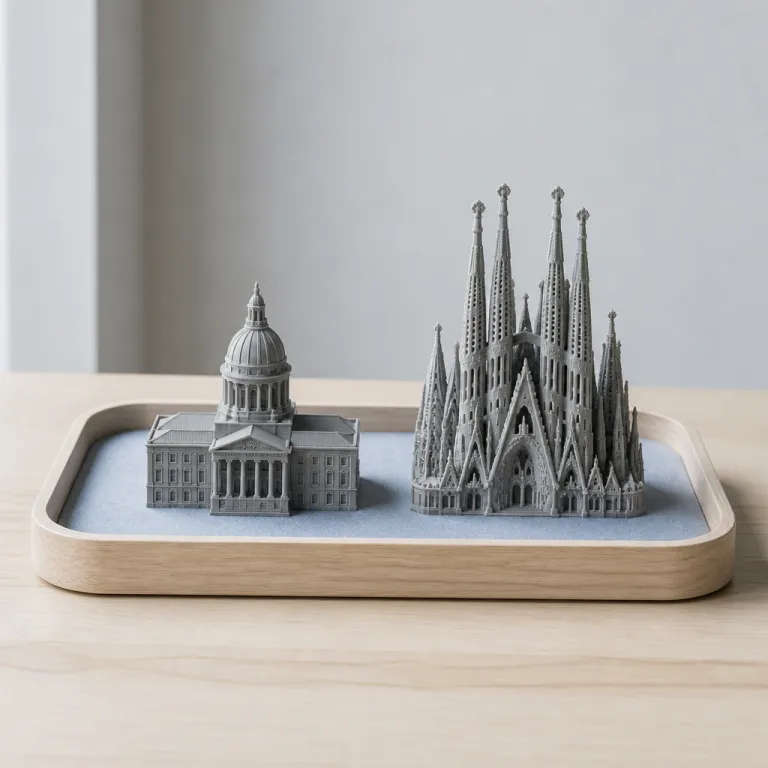
Madrid vs Barcelona for tourists choosing a hotel base
When you weigh Madrid vs Barcelona for tourists, start by asking how you like to move through a city. Madrid sits in the heart of Spain, compact and walkable, while Barcelona stretches along the coast with its beach culture shaping where visitors stay and how they spend their days. For someone about to book a hotel, this first decision between Madrid and Barcelona will quietly determine your daily rhythm, your travel time to major sights, and even how your evenings feel when you step out the lobby door.
Madrid offers a dense core where the Royal Palace, the main museums, and lively neighbourhoods cluster within a few kilometres, so you can visit Madrid on foot and still fit several experiences into a single day. Barcelona, by contrast, pulls you between the Gothic Quarter, the Sagrada Família, the modernist Eixample grid, and the beachfront, which means your trip will often involve the metro or taxis and a little more planning around time and distance. For many solo travelers who value simplicity, Madrid better suits those who prefer to walk everywhere, while Barcelona rewards visitors ready to navigate a broader coastal sprawl during their stay in Spain.
Think about how many days you have and whether this is a longer week Spain itinerary or a short city break. If you only have three days, Madrid works beautifully as a concentrated base, especially if you want to add quick day trips without changing hotels. With five or more days, Barcelona’s wider spread of districts, beaches, and parks becomes more appealing, though you will need to accept extra travel time between neighbourhoods and key attractions during your tour of the city. As a rough guide, allow at least 30–40 minutes to cross central Barcelona by metro, while most central Madrid journeys take closer to 20–30 minutes.
Where to stay in Madrid vs Barcelona for museums, food, and nightlife
For travellers focused on art museums and historic streets, Madrid vs Barcelona for tourists becomes a question of intensity versus variety. Madrid forms what many call the Golden Triangle of Art, where the Prado, Reina Sofía, and Thyssen-Bornemisza museums sit within a short walk, making it easy to spend a full day immersed in masterpieces without long transfers. Barcelona’s cultural offer is more dispersed, with design museums, Gaudí houses, and smaller galleries spread between the Gothic Quarter, Eixample, and the waterfront, so you will likely split your time between several districts if art is central to your trip.
Food culture also shapes where you should book your hotel in each city. In Madrid, staying near La Latina, Huertas, or Chamberí places you within minutes of tapas bars, traditional tabernas, and late night terraces, which means you can visit Madrid restaurants on foot and still feel safe walking back, a strong advantage for solo travelers. Barcelona’s best food scenes are divided between the Gothic Quarter, El Born, and Poble-sec, and while you can eat superbly well, you will often travel by metro or taxi from your hotel to reach the most interesting streets, especially if you stay closer to the beach or park areas.
Nightlife differs in tone as much as in geography. Madrid is famous for evenings that start late and end later, with locals filling bars around midnight and clubs only warming up after that, which suits visitors who want to spend their days in museums and their nights in neighbourhood venues rather than tourist strips. Barcelona’s nightlife leans more toward the coast, with beach clubs and bars drawing an international crowd, so if you want to visit Barcelona for its party scene, consider staying near but not directly on the busiest waterfront to balance sleep and atmosphere during your travel. Typical closing times stretch well past 3 a.m. in both cities, so soundproofing and room location matter when choosing a base.
For a detailed look at how your base influences your experience, this guide to choosing a Madrid hotel around the top things to do explains how proximity to museums, the Royal Palace, and parks can optimise your time in the city.
Iconic sights: royal palace vs Sagrada Família and the Gothic Quarter
When travellers compare Madrid vs Barcelona for tourists, they often picture the Royal Palace in Madrid and the Sagrada Família in Barcelona as emblematic opposites. The Royal Palace anchors Madrid with its grand façades, ceremonial squares, and views over the Campo del Moro park, and you can easily combine a palace visit with a stroll through the nearby historic centre in a single day. In Barcelona, the Sagrada Família rises above the Eixample grid, and visiting it usually becomes the focal point of your day, especially if you also explore the surrounding streets or pair it with another Gaudí site during your trip.
The Gothic Quarter in Barcelona offers a dense maze of medieval lanes, hidden squares, and small shops, and many visitors choose to stay within walking distance to feel the city’s older soul at all hours. Madrid’s equivalent historic core around Plaza Mayor and La Latina is more open and sunlit, with broad plazas and traditional bars where you can spend long days tasting food and watching local life unfold. If you plan to visit Barcelona mainly for the Gothic Quarter and the beach, you will probably accept more noise and crowds, while those who visit Madrid for its historic streets often find evenings slightly calmer once the day trip groups leave.
Both cities reward early starts and advance planning. “Book Sagrada Família tickets in advance.” and “Explore Madrid's art museums early to avoid crowds.” are simple travel tips that dramatically improve your experience, especially in peak seasons when your time at each landmark feels precious. For a week Spain itinerary, many travellers dedicate two full days to Barcelona’s core sights and two to Madrid’s palace and museums, then use remaining days for day trips, which creates a balanced Madrid–Barcelona combination without constant packing and unpacking.
Beaches, parks, and day trips: how you like to spend your days
One of the clearest differences in Madrid vs Barcelona for tourists lies in access to water and green space. Barcelona offers an urban beachfront where you can walk from the Gothic Quarter to the sand in under thirty minutes, which appeals to travellers who want to split their day between culture and the sea. Madrid, set in the centre of Spain, compensates with elegant parks like El Retiro and Casa de Campo, where you can spend long afternoons under trees, rent a boat on the lake, or simply pause between museum visits during your trip.
Day trips also shape which city feels better as a base. From Madrid, high speed trains connect you quickly to Toledo, Segovia, and the classic Madrid–Seville route, making it easy to add a day trip without changing hotels or losing much time in transit. Barcelona’s day trips lean toward coastal and mountain landscapes, such as Sitges for another beach experience or Montserrat for hiking, and while they are rewarding, they often require more planning around train schedules and travel time, especially if you only have a few days in Spain.
Think about your energy levels and how you like to structure a week Spain itinerary. If you imagine slow mornings, a cultural visit, then a few hours in a park before dinner, Madrid better matches that pattern, particularly for solo travelers who appreciate clear routes and straightforward metro lines. If your ideal day includes a morning tour of the Sagrada Família, lunch in the Gothic Quarter, and late afternoon on the beach, Barcelona will feel like the natural choice, though you should be prepared for busier promenades and more overtourism in peak months. In both cities, plan around a typical lunch window of 1–3 p.m. and dinner from 8:30 p.m. onwards to align with local habits.
Local experiences, food, and football: living each city beyond the postcard
Beyond headline sights, Madrid vs Barcelona for tourists becomes a question of how deeply you want to plug into local routines. Madrid is still very much a capital lived by residents, with neighbourhood markets, traditional cafés, and small venues where you can spend evenings listening to live music among locals rather than only other visitors. Barcelona, especially in central districts near the beach and the Gothic Quarter, feels more international and sometimes more transient, which some travellers love and others find less authentic during a longer trip.
Food is a decisive factor for many visitors choosing between these cities. Madrid’s strengths lie in hearty traditional dishes, tapas crawls, and late night dining, so you can visit Madrid and eat extremely well without chasing reservations, especially if you stay near markets like San Miguel or San Antón. Barcelona excels at seafood, creative Catalan cuisine, and beachfront dining, and while you will find excellent food, the most memorable meals often sit slightly away from the busiest tourist streets, which means a little extra travel time from your hotel but a much better sense of place.
Football culture adds another layer of local experience. In Madrid, a Real Madrid match at the Santiago Bernabéu turns the entire area into a festival, and even if you do not attend a game, staying nearby on match day lets you feel the city’s pulse. Barcelona’s Camp Nou, home of FC Barcelona, offers a different kind of pilgrimage, often combined with a stadium tour during the day trip style excursions many fans plan, and comparing these experiences becomes part of the broader Madrid–Barcelona narrative for sports enthusiasts who travel through Spain.
Practical travel tips for madrid vs barcelona hotel bookings
When you narrow your choice between Madrid vs Barcelona for tourists, practicalities around hotels and logistics matter as much as romance. Madrid generally offers slightly better value for money on accommodation, especially outside the very centre, which allows you to spend more of your budget on food, museums, and day trips. Barcelona, particularly in areas close to the beach and the Gothic Quarter, often commands higher nightly rates, so you will need to balance location against cost and decide how much time you truly plan to spend in your room.
Think carefully about the best time to visit each city. Spring and autumn usually offer the best time balance of pleasant temperatures and manageable crowds, and they are ideal for a combined Barcelona–Madrid itinerary where you split a week Spain stay between both cities. In high summer, Barcelona’s beach draws huge numbers of visitors, while Madrid’s heat encourages travellers to plan more indoor museum visits and park strolls in the evening, so your tolerance for heat and crowds should guide whether Madrid better suits your travel dates.
Transport connections also influence where you book. Madrid’s central location makes it a natural hub for longer Spain itineraries, especially if you plan routes like Madrid–Seville or other high speed links, while Barcelona works beautifully as a gateway for travellers arriving from Mediterranean cruises or pairing Spain with Greek islands such as Mykonos and Santorini, a combination sometimes described as a Mykonos, Santorini, and Spain Barcelona twin centre trip. For solo travelers, both cities feel broadly safe in central areas, but Madrid’s compact layout and late night street life often provide a stronger sense of security when walking back to your hotel after dinner or a show.
How to combine Madrid and Barcelona in one coherent trip
Many visitors resolve the Madrid vs Barcelona for tourists dilemma by choosing both cities in a single itinerary. A classic pattern is to start in Barcelona for three or four days, focusing on the Sagrada Família, the Gothic Quarter, and the beach, then travel by high speed train to visit Madrid for another three or four days centred on the Royal Palace, museums, and parks. This Barcelona–Madrid sequence works well if you want to end your trip in the capital for easier connections to other Spain destinations or international flights.
Reversing the order to Madrid–Barcelona also has advantages. Beginning in Madrid lets you adjust to Spanish time, enjoy long evenings in plazas, and take one or two day trips such as a Madrid–Seville excursion before shifting to Barcelona’s coastal energy. For a week Spain holiday, this pattern gives you a calm cultural start followed by a livelier finale near the sea, and it suits solo travelers who prefer to gain confidence in a slightly less tourist saturated environment before tackling Barcelona’s busier central districts.
Whichever direction you choose, keep transfers simple. The high speed train between the two cities typically takes about two and a half to three hours, depending on the service, which means you can treat the journey as a relaxed day trip style segment rather than a stressful travel day, especially if you book midday departures and avoid rush hours. Plan at least two full days in each city to do them justice, then use any extra days to deepen your experience in the place that feels better aligned with your interests, whether that means more time in Madrid’s museums and parks or extra afternoons on Barcelona’s beachfront.
Key figures for choosing between Madrid and Barcelona
- According to comparative tourism data from Cityversus.org (accessed 2024), Barcelona welcomes around 15,000,000 tourists per year, while Madrid receives about 10,000,000, showing that Barcelona currently attracts roughly half again as many visitors.
- This difference in visitor numbers means Barcelona’s central districts and beach areas often feel busier in peak months, while Madrid’s crowds concentrate more around the Royal Palace and main museums.
- Official figures from Spain’s National Statistics Institute (INE) and municipal tourism reports confirm that both cities rank among the most visited urban destinations in Europe, with annual arrivals measured in the tens of millions when including day trippers and cruise passengers.
- The high speed train between Madrid and Barcelona takes about two and a half to three hours on most AVE and Avlo services, making a combined Madrid–Barcelona itinerary feasible even for a short week Spain trip.
- Both cities operate extensive metro networks, and in each city you can usually reach major sights within thirty to forty minutes, which helps solo travelers and first time visitors manage their time efficiently.
FAQ: madrid vs barcelona for tourists
Which city is better for art lovers, Madrid or Barcelona ?
Which city is better for art lovers? Madrid, with its world-class museums like the Prado. Barcelona also offers strong design and architecture, but if your priority is spending full days in major museums, Madrid provides a denser cluster of institutions within walking distance.
Is Barcelona more expensive than Madrid for tourists ?
Is Barcelona more expensive than Madrid? Generally, yes, especially in tourist areas. Accommodation and restaurant prices near the beach and the Gothic Quarter often run higher than equivalent areas in Madrid, so travellers on tighter budgets may find Madrid better value.
Which city has better nightlife, Madrid or Barcelona ?
Which city has better nightlife? Both are vibrant; Madrid offers a more local feel. Barcelona’s nightlife leans toward beach clubs and international crowds, while Madrid focuses on neighbourhood bars and late night venues that stay busy well into the early hours.
How many days should I spend in Madrid vs Barcelona ?
For a balanced Madrid vs Barcelona for tourists itinerary, plan at least two full days in each city. With five to seven days total, many travellers spend three days in Barcelona for the Sagrada Família, the Gothic Quarter, and the beach, then three or four days in Madrid for the Royal Palace, museums, and one day trip.
Is it easy for solo travelers to move between Madrid and Barcelona ?
Solo travelers find it straightforward to travel between Madrid and Barcelona using the high speed train, which takes about two and a half to three hours and runs several times per day. Both cities have clear public transport systems, central stations, and a wide range of hotels near major sights, making a combined trip practical and safe.
Sources
- Official tourism website of Madrid (Ayuntamiento de Madrid)
- Official tourism website of Barcelona (Ajuntament de Barcelona)
- Cityversus.org comparative tourism data, accessed 2024
- Spain’s National Statistics Institute (Instituto Nacional de Estadística, INE) tourism statistics, accessed 2024