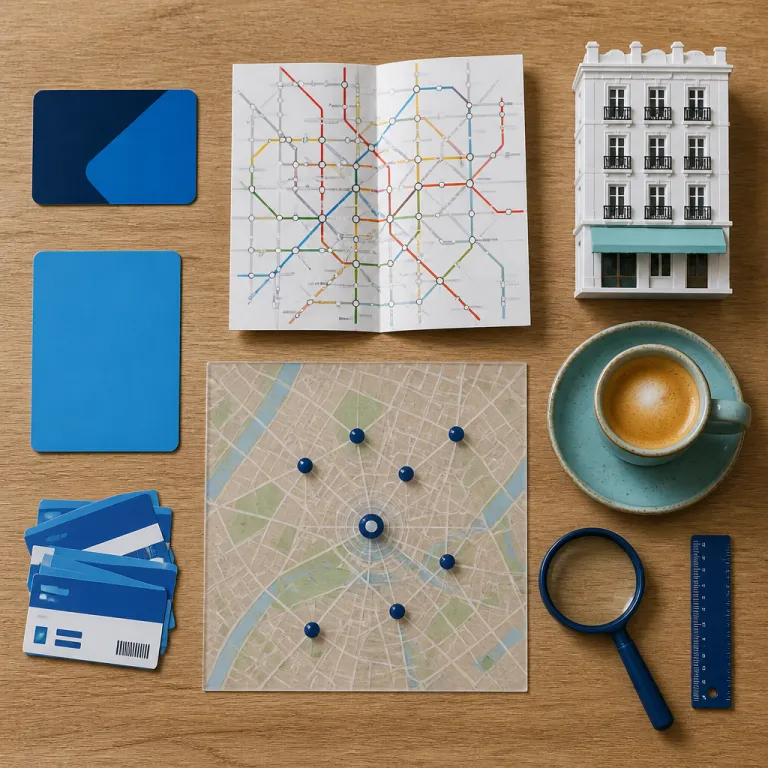
Why the Madrid public transport card matters when choosing your hotel
Where you stay in Madrid shapes how you experience the city. When you pair a well located hotel with the right Madrid public transport card or travel pass, your stay becomes smoother, cheaper, and far more flexible. That single smart card will quietly connect your room key to almost every metro platform, bus stop, and train concourse you step into.
Madrid’s integrated transport system links metro, city buses, light rail, and Cercanías suburban trains into one coherent network. With a travel card that works across Madrid metro lines, EMT buses, and metro ligero services, and that can be combined with certain Cercanías tickets, you can book a hotel for charm rather than for proximity to just one attraction. The result is that your Madrid travel pass becomes as strategic as your room category, especially if you are a tourist planning several days of intense sightseeing.
For many visitors, the Tarjeta Multi functions as the essential Madrid public transport card. This rechargeable transportation card is managed by the Consorcio Regional de Transportes de Madrid (CRTM), which coordinates the entire Madrid transport system across operators. Because the card will work on metro, bus, and light rail, and can carry specific integrated tickets valid on Cercanías, you can confidently reserve a hotel in quieter neighbourhoods, knowing that frequent connections keep you minutes from the centre. Always confirm current conditions on CRTM and Renfe Cercanías channels, as compatible products and rules can change.
How the Tarjeta Multi works from airport to hotel lobby
Landing at Adolfo Suárez Madrid Barajas Airport, your first decision is usually taxi or train. Buying a Tarjeta Multi as your Madrid public transport card at the airport metro station lets you step straight onto the Madrid metro for a fixed fare into the city. That same reloadable card will then carry you from hotel to museum, from tapas bar to flamenco show, without needing separate paper tickets.
You purchase the multi card at metro vending machines, CRTM offices, or authorized kiosks, paying a small one time fee for the physical card. Official guidance from CRTM describes it clearly as “a rechargeable contactless card for Madrid's public transport.” Once you load it with a tourist pass, 10 trip ticket, or single rides, the card will work simply by tapping at gates on metro, on metro ligero platforms, and on EMT buses; certain combined tickets also open Cercanías train barriers. Before travelling, check the latest CRTM and Metro de Madrid information for any updates to fares, airport supplements, or card usage.
From the airport, most hotel guests use either the metro or the Cercanías trains, depending on their final district. If your hotel is near Atocha, Nuevos Ministerios, or Chamartín, Cercanías lines C1 and C10 provide a fast link that can be used with compatible integrated tickets on your Madrid transport card. When your hotel lies closer to Gran Vía, La Latina, or Salamanca, the Madrid metro and connecting city bus routes usually offer the most direct door to door combination. A practical local tip: if you arrive with heavy luggage, consider changing at Nuevos Ministerios, where lifts and wide corridors often make transfers easier than in older central stations.
Choosing a hotel location around metro, buses, and Cercanías
Smart hotel selection in Madrid starts with a metro map, not just a list of sights. When you understand how your Madrid public transport card unlocks metro, buses, and suburban trains, you can judge each address by its true connectivity rather than its marketing description. A property two or three minutes from a major Madrid metro interchange often beats one on a busy avenue with poor transport links.
Look for hotels within a short walk of stations such as Sol, Gran Vía, Tribunal, Atocha, or Príncipe Pío, where several lines and buses intersect. Your transport card will let you change easily between metro, metro ligero, and city buses, so staying near these nodes shortens every journey. If you expect frequent day trips on Cercanías trains to places like El Escorial or Alcalá de Henares, a hotel near Atocha or Chamartín turns your Madrid public transport options into a regional asset. As a rule of thumb, being within a five minute walk of any station on lines 1, 2, or 3 usually means quick access to most central attractions.
Night owls should also consider the network of night buses, known locally as búhos, which radiate from Plaza de Cibeles and Plaza de la Independencia. Because the same Madrid transport card works on these night buses, you can stay out late in Malasaña or Chueca and still return to your hotel without relying on taxis. For business travellers, proximity to a station with direct airport connections on metro or Cercanías can be as valuable as a late checkout appointment at reception.
Types of passes, from single rides to abono mensual
Once you hold the physical multi card in your hand, the real decision is which pass to load. Occasional visitors often start with simple single rides or a short duration tourist travel pass, both of which turn the Tarjeta Multi into a flexible Madrid public transport card. For longer stays, a monthly pass known as abono mensual can transform your hotel into a base for living like a local.
The tourist travel pass is ideal if you plan intensive sightseeing over a few days, using metro, buses, and trains several times daily. As of early 2024, a 3 day tourist ticket for zone A typically costs in the low twenties of euros and covers most central areas, including popular hotel districts around Sol, Gran Vía, and Retiro. That usually equates to roughly eight to ten single metro rides, so even moderate daily use can justify the price. When your stay extends beyond a week, the abono mensual monthly pass usually offers better value, especially if your hotel is outside the central zone and you rely heavily on Madrid transport every day; always verify current fares on CRTM or Metro de Madrid before you travel.
Business guests on extended assignments often combine a central hotel with an abono mensual that covers metro, metro ligero, and Cercanías trains to office districts. Because the transportation card itself is currently valid for up to a decade, you can keep it for future trips and simply renew the monthly pass when you return. Families may prefer loading multi ride tickets so that the same metro card or multi card can be shared among several people during lighter days of tourist travel, while buying individual tourist passes for the heaviest sightseeing days.
Digital tools, apps, and practical details every guest should know
Madrid has moved decisively toward digital management of its transport system. Alongside the physical Madrid public transport card, a mobile app from CRTM now allows certain tickets to be loaded onto NFC enabled smartphones, which means your phone can become your metro card and bus pass on compatible devices. Availability depends on your handset and operating system, so it is worth checking the official app description before relying solely on a virtual card.
The official Madrid transport app integrates real time information for metro, buses, light rail, and Cercanías trains. Within the app you can check the metro map, plan routes from your hotel address, and see when the next metro, bus, or night service will arrive at your nearest stop. Some functions also allow you to reload your transportation card or buy digital tickets, so a quick tap on your screen in the hotel lobby can extend your monthly pass or add more single rides. A useful trick is to save your hotel as a favourite location in the app, making it faster to plan the last leg home after a long day.
For specific issues such as lost cards, balance queries, or accessibility information, each operator maintains a dedicated phone number and customer service channel. Metro de Madrid, EMT Madrid buses, and Renfe Cercanías all coordinate under the Consorcio Regional de Transportes de Madrid, which oversees the broader Madrid public network. While you rarely need an appointment to resolve simple card problems, it is wise to ask your hotel reception to help you contact the correct phone number or website if anything goes wrong with your Madrid public transport card, especially if you do not speak Spanish confidently.
Maximising your hotel stay with strategic use of public transport
Once your Madrid public transport card is loaded, you can start treating the entire city as an extension of your hotel. Morning might begin with a quick metro ride from your room to a café in Chamberí, followed by a metro ligero trip to a business park and an evening return on Cercanías trains. The card will quietly handle every transfer, leaving you free to focus on meetings, meals, and museums.
Leisure travellers can use the Madrid metro and buses to create themed days without worrying about extra fares. One day your travel pass might take you from a hotel near Retiro to the Prado (all within zone A), then by bus to La Latina for lunch, and finally by light rail to explore newer districts in zone B1. Another day, the same transportation card could support a full excursion by Cercanías to Aranjuez in outer zones, returning in time for a late dinner reached on night buses that stop close to your hotel. Checking the zone map in advance helps you choose the right ticket so that these day trips remain covered by your pass.
Because the multi card and other Madrid transport options are reusable for many years, frequent visitors can keep a dedicated metro card in their travel wallet. The card will be ready whenever you book another hotel in the city, whether for a short tourist break or a longer corporate stay. Over time, this habit turns Madrid public transport into a familiar ally, reducing both the cost and the stress of every arrival.
Key figures on the Madrid public transport card and system
- The standard Tarjeta Multi costs about 2.50 € for the card itself, which is a one time purchase before loading any pass or ticket, according to current CRTM guidance in 2024; always confirm the latest fee before travelling.
- The physical transportation card is typically valid for up to 10 years, meaning a single purchase can support repeated hotel stays and business trips over a long duration, provided you keep the card in good condition.
- The integrated Madrid public network covered by the main cards spans at least three core modes, including metro, EMT buses, and Renfe Cercanías trains via compatible tickets, with metro ligero also linked in many zones; detailed conditions are set out in CRTM, Metro de Madrid, and Renfe Cercanías documentation.
FAQ – Madrid public transport card for hotel guests
What exactly is the Madrid public transport card used by visitors?
The most common Madrid public transport card for visitors is the Tarjeta Multi, a rechargeable contactless card that works on metro, city buses, light rail, and, with certain integrated products, on Cercanías suburban trains. You load it with single tickets, multi ride options, or specific tourist travel passes depending on your plans. It functions as a unified metro card and bus pass, so you do not need separate tickets for each journey inside the city.
Where can I buy the Tarjeta Multi when I arrive in Madrid?
You can purchase the multi card at vending machines in almost all Madrid metro stations, including those at the airport. It is also available at Consorcio Regional de Transportes de Madrid offices and various authorized vendors across the city. Many hotel reception teams can point you to the nearest sales point on a metro map or even mark it for you on a printed plan.
Can several people share one Madrid public transport card?
Yes, in many cases several people can share a single Tarjeta Multi if it is loaded with multi ride tickets rather than a personal monthly pass. When a card carries an abono mensual, that monthly pass is usually personal and should not be shared between travellers. Families often combine one shared multi card for occasional rides with individual tourist passes for heavier daily use.
Is there a digital version of the Madrid public transport card?
A digital version of the main Madrid transport card is available through the official mobile app for NFC enabled smartphones, although availability can vary by device and operating system. This virtual transportation card lets you tap your phone at metro gates, on buses, and at Cercanías barriers instead of using plastic when the ticket type is supported. Many hotel guests appreciate this option because it reduces the risk of misplacing a physical card during a busy stay; however, you should always check the latest CRTM and Metro de Madrid guidance to confirm which passes can be used in digital form.
Which type of pass is best if I stay in a hotel for a week?
For a stay of around one week, a dedicated tourist travel pass loaded onto a suitable card usually offers the best balance of price and flexibility. If you expect to use metro, buses, and trains several times each day, unlimited travel within central zones quickly becomes more economical than buying single rides. Guests on longer assignments often switch to an abono mensual monthly pass, especially when commuting daily between hotel and office on Madrid public transport.
Sources and further verification
- Consorcio Regional de Transportes de Madrid – official information on Madrid public transport cards, fares, and Tarjeta Multi conditions, including tourist passes and validity periods.
- Metro de Madrid – operational details on lines, stations, airport connections, and accepted metro card products, with up to date maps and service notices.
- Renfe Cercanías Madrid – suburban train network information, timetables, and integration with Madrid transport tickets and passes for regional trips.