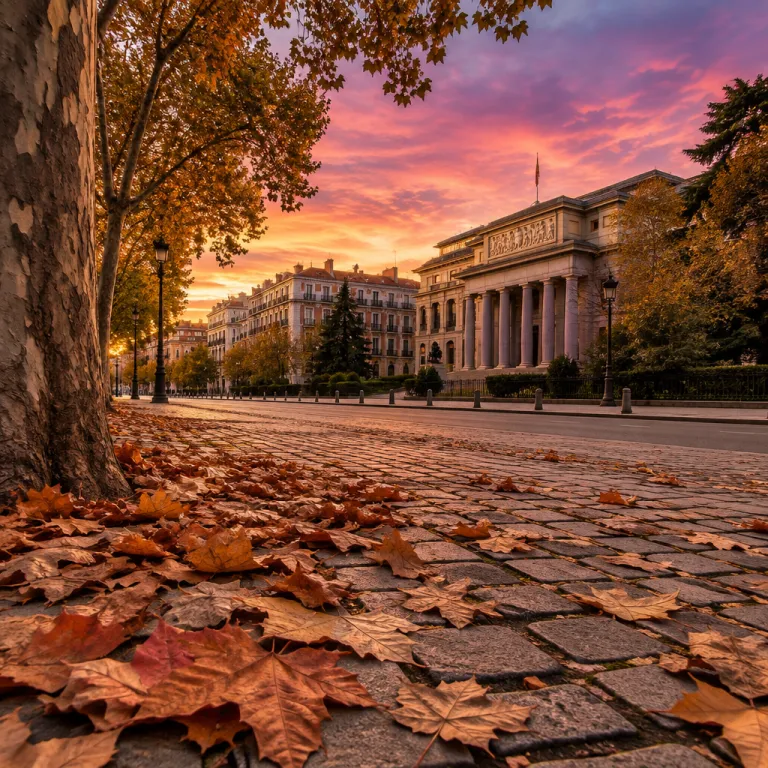
Why early autumn is the best time to visit Madrid
By September, the city exhales and finally feels human again. The fierce heat of Madrid summer eases, terraces stay open late, and the cultural season roars back to life along the Paseo del Arte in the centre of Madrid Spain. If you want the best time to visit Madrid for museums, food and long walks between barrios, this is it.
Think of late summer as rehearsal and autumn as opening night for the city. From early September, theatres, galleries and concert halls restart their full programmes, so your time to visit aligns with premieres rather than reruns and you feel the energy of locals returning from the coast. Weekdays in this season bring noticeably fewer crowds than the peak of June July or July August, yet the Madrid weather still invites late dinners outside and slow strolls back to your hotel.
Many travellers read generic advice about the best time and default to spring, but autumn quietly wins for a culture led stay. In spring, the festival season around San Isidro in May can be thrilling, yet it also means heavier crowds and higher demand for central rooms across the city. By contrast, September and October usually offer some of the lowest crowd levels of the whole year while still giving you a great time to visit Madrid for long museum days and late night tapas.
For a hotel booking strategy, treat this season as your sweet spot between value and atmosphere. Rates often sit below the highest summer season peaks, yet you are not trading away sunshine or outdoor life to get that lower price and calmer pace. If you want a deeper breakdown of how Madrid weather, crowds and hotel availability shift across the year, this detailed guide on the best time to visit Madrid for weather, crowds and hotel stays is worth a careful read before you lock in dates.
Where to stay for a culture-first autumn visit
For a culture obsessive, the best address is within walking distance of the Paseo del Arte. Base yourself between Huertas, Barrio de las Letras and Cortes, and you can visit Madrid’s three heavyweight museums in the same day without ever touching the Metro. This part of Madrid Spain keeps you close to the top things for art lovers while still feeling like a lived in neighbourhood rather than a theme park.
From a hotel near Antón Martín or Sevilla stations, you can reach the Prado, Reina Sofía and Thyssen in under fifteen minutes on foot, which saves time and energy for the rest of your days. That proximity matters in autumn, when you want to dip in and out of exhibitions, then retreat to a quiet room or a nearby café instead of crossing the city. It also means you can thread in smaller things Madrid does so well, like independent galleries on Calle Doctor Fourquet or flamenco in Lavapiés, without turning every outing into a commute.
If you prefer a slightly grittier edge, Lavapiés and La Latina put you close to culture and to Plaza Mayor, yet still within a twenty minute walk of the main museums. These barrios are ideal when you want to visit Madrid for both galleries and tapas, because you can move from an afternoon at Reina Sofía straight into a night of vermut and raciones on Cava Baja. For a quieter stay, look at the northern side of Retiro Park, where tree lined streets buffer you from traffic but keep you connected to the city’s cultural spine.
Wherever you stay, think about your route home at midnight rather than the marketing photos. A hotel that lets you walk back from a late concert at the Auditorio Nacional or a flamenco show near Plaza Mayor in under twenty minutes will make your time visit feel effortless. In Madrid, the best hotel choice is rarely about the spa or the lobby bar ; it is about how the streets around you feel at 2 a.m. when the city is still awake and you are not ready for winter yet.
Pacing museums, neighbourhood walks and Retiro Park light
Autumn in Madrid is about rhythm, not rush, especially for culture heavy trips. The best time to visit Madrid’s major museums is either at opening or in the last two hours before closing, when crowds thin and the galleries feel almost private. Use the middle of the day for neighbourhood wandering, long lunches and a reset in Retiro Park under that low golden light.
On a three or four day stay, avoid stacking all the top things into one marathon, because museum fatigue is real. Dedicate one morning to the Prado, then exit through the Jerónimos side and walk straight into Retiro Park for an hour on a bench by the Estanque Grande, watching rowboats drift under the autumn trees. After a late lunch in nearby Ibiza, loop back through the city towards your hotel, letting the streets of Salamanca or Las Salesas show you a different face of Madrid Spain.
Another day, start at Reina Sofía for Guernica, then wander down to Lavapiés for coffee and street art before circling back to Thyssen in the late afternoon. This pacing turns your time visit into a series of short, intense bursts of culture, broken up by slower walks and café stops that keep your senses sharp. You will notice more, remember more and still have energy for flamenco or wine bars at night, even if you are usually drained by big city museum crawls.
Autumn light is your secret weapon here, especially in late September and early October. The sun sits lower, colours in Retiro Park deepen, and even familiar things Madrid residents see daily feel newly cinematic in that glow. Plan at least one late afternoon just to walk from Atocha through Retiro Park and up to Plaza Mayor, watching the city shift from day to night as temperatures drop towards a mild Madrid winter.
Seasonal decor, festivals and practical timing for hotel stays
By early autumn, Madrid has quietly shed the intensity of Madrid summer without yet slipping into the chill of full Madrid winter. Hotel lobbies lean into warm lighting, textured fabrics and subtle seasonal decor, echoing the amber tones you will see in Retiro Park and along the Gran Vía. This is the season when the city feels composed rather than frantic, and that mood seeps into how you experience your room, your breakfast and your late night returns.
While the big fiestas San Isidro belong to May, September and October bring their own festival season of theatre openings, film cycles and neighbourhood ferias that draw locals more than tourists. You might catch smaller fiestas San style celebrations in barrios like La Latina, where streets fill with music yet still feel manageable, with fewer crowds than the peak summer season. These events turn an ordinary visit into a great time to feel how Madrid Spain actually lives, rather than how it performs for high season visitors.
From a planning perspective, early week arrivals often mean the lowest pressure on room availability and museum queues. Aim for Monday to Thursday if you can, and you will notice fewer crowds at top things like the Prado or Thyssen, especially compared with the crush of June July or July August. February and early spring can also be calm, but the Madrid weather then leans towards winter chill, while autumn lets you sit outside at night without a coat.
Use your hotel as a seasonal base camp, not just a bed. Ask the front desk which temporary exhibitions are worth your time this year, then build your days around those, with sunset drinks on one of the best rooftop bars in Madrid for hotel guests as your nightly reset. In the depths of winter, the city shifts towards cosy interiors and Christmas markets, but in September and October, the streets themselves are the living room, and what matters most is not the star rating, but the walk home at 2 a.m.
FAQ
Is September really the best time to visit Madrid for culture?
For a culture focused trip, September is often the best time to visit Madrid because the main theatres, museums and concert halls restart their full programmes after the summer pause. The heat of Madrid summer has eased, yet terraces and outdoor events still run late into the night. You also benefit from fewer crowds than peak holiday months, which makes major museums and top things like Plaza Mayor more pleasant.
How many days do I need in Madrid for museums and food?
Plan at least three full days in the city if your priority is art, architecture and gastronomy. That gives you enough time to visit Madrid’s big three museums, explore Retiro Park, and sample several neighbourhoods without rushing. With four days, you can add side streets in Lavapiés and La Latina plus slower lunches that show you the depth of things Madrid does best.
Which neighbourhood is best for walking to the main museums?
The most convenient areas for walking access to the Prado, Reina Sofía and Thyssen are Huertas, Barrio de las Letras, Cortes and the northern edge of Retiro. From these barrios, you can reach the museums in ten to fifteen minutes on foot, which saves time and energy. They also keep you close to tapas streets, wine bars and smaller galleries, so your time visit feels coherent rather than fragmented.
What is Madrid weather like in late September and October?
Late September in Madrid usually brings warm days and cooler evenings, with temperatures far more comfortable than the extremes of June July or July August. By October, you may need a light jacket at night, but daytime walking is still pleasant. Rain is possible yet typically brief, so you can keep most of your plans outdoors, using cafés and museums as shelter if a shower passes through.
Are Christmas markets a reason to delay my trip until winter?
Madrid’s Christmas markets and festive lights create a different kind of magic, especially around Plaza Mayor and the historic centre. If you care more about seasonal decor, winter food and night time ambience, a Madrid winter visit can be rewarding. For a culture first city break with long walks, terrace life and fewer crowds, early autumn remains the stronger choice.