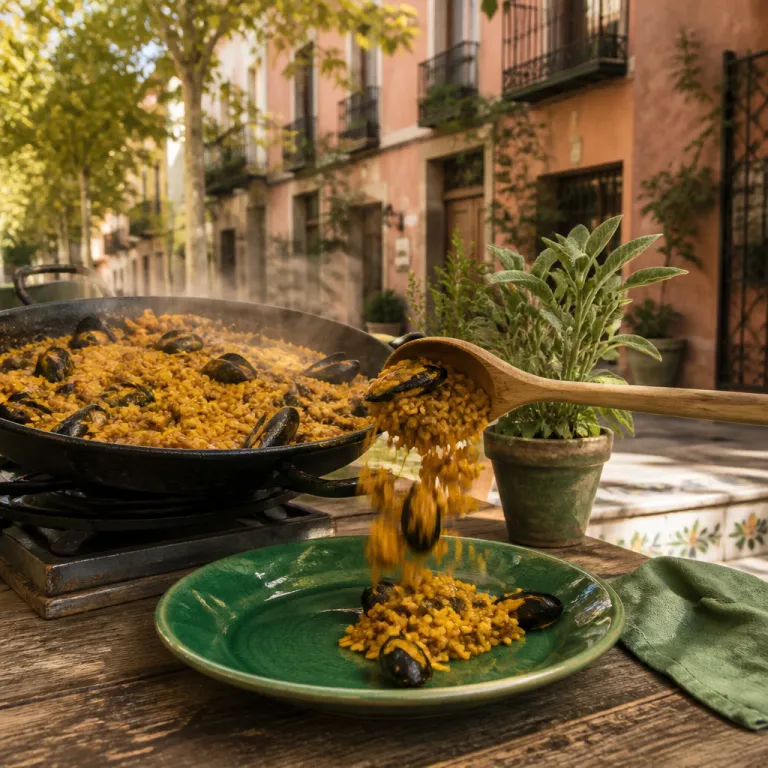
How to think about where to eat paella in Madrid
Choosing where to eat paella in Madrid starts with understanding how the city treats this iconic rice dish. While paella originates in Valencia on Spain’s eastern coast, Madrid has become a serious stage for traditional paella culture, attracting chefs who respect Valencian roots yet cook for a cosmopolitan audience. For travellers booking a hotel in the city, planning which paella restaurants to try is almost as important as choosing a neighbourhood, because the right dining room will shape your entire Madrid food memory.
In Madrid, the best paella is rarely found in places that push laminated menus on Plaza Mayor terraces, even though the square itself remains a beautiful setting for a drink or light tapas. Instead, the most authentic paella experiences usually happen a few streets back, in restaurants locals trust for carefully sourced ingredients, patient cooking times, and a focus on arroz as the star of the meal rather than a quick tourist dish. When you compare each paella restaurant, look for signs of quality such as a short list of rice dishes, clear mention of stock made in house, and service that encourages you to linger over the food.
Because paella is a rice based dish that needs time to develop flavour, serious paella restaurants in Madrid will often recommend that you order in advance or accept a wait of 25 to 35 minutes. This is a positive sign, not an inconvenience, and it tells you that the kitchen treats paella as a crafted Spanish speciality rather than fast food. When you plan your travel schedule from your hotel, allow enough time for a relaxed lunch so you can enjoy great paella without rushing to your next tour or museum visit.
Classic addresses for authentic paella Madrid lovers
For travellers asking where to eat paella in Madrid with a sense of history, La Barraca in the centre of the city is a reference point. This long established restaurant, just off Gran Vía in the Centro district, has specialised in Valencian style arroz for decades, serving both seafood paella and meat based versions that highlight traditional ingredients such as rabbit, chicken, and local vegetables. Expect a mid range to slightly higher price level and a dining room that feels quietly elegant rather than flashy, which suits guests staying in nearby hotels who want a calm paella experience after a day of urban exploration.
Casa Benigna, in the Prosperidad district to the north east of central Madrid, offers another angle on authentic paella that local connoisseurs appreciate, with a family run atmosphere and a focus on slow cooked rice dishes served in their own signature pans. Here, the best paella is often the one that lets the socarrat, the caramelised rice at the bottom, shine through, and the staff will happily explain the different types of paella on the menu so you can match the dish to your taste. Portions are usually designed for sharing and priced accordingly, and if your hotel is in the north of the city this restaurant can easily become your go to address for both lunch and dinner, especially if you value personal service and a neighbourhood feel.
Another name to know is Arrocería D’stapa, sometimes written as arrocería Stapa, a casual but serious rice restaurant close to the historic centre of Madrid and within walking distance of areas like La Latina and Ópera. This arrocería specialises in seafood paella and mixed rice dishes, using fresh seafood from Spanish coasts and stocks simmered for hours to build depth of flavour. Guests who stay near the Royal Palace or La Latina can walk there, enjoy great paella with a glass of Spanish wine, then return to their hotel on foot through some of the most atmospheric streets in the city; advance booking by phone or online is recommended at busy times.
Understanding ingredients, types of paella and what to order
Knowing what goes into authentic paella helps you decide where to eat paella in Madrid and which dish to choose once you sit down. At its core, paella is about rice cooked in a wide pan so that the grains absorb a rich stock and form a thin, flavourful layer rather than a deep mound. In Spain, serious paella restaurants use short grain varieties such as bomba or calasparra arroz, which hold their shape while soaking up seafood or meat juices, and this attention to ingredients is a reliable marker of quality.
When you open a menu in a paella restaurant, you will usually see several types of paella, from seafood paella with prawns, mussels, and squid to Valencian style versions with rabbit, chicken, and sometimes snails. Many restaurants across Madrid also offer vegetarian rice dishes that respect the same technique, using seasonal vegetables and Spanish olive oil to create depth instead of relying on meat. If you are travelling with a group from your hotel, consider sharing two or three different regional paella styles at the same table, which allows you to compare flavours and understand how one simple rice base can become many distinct dishes.
Authentic paella should arrive in the pan it was cooked in, with the rice spread thinly and a gentle toasted aroma rising from the surface. The best restaurants will encourage you to taste the socarrat at the bottom, where the arroz has caramelised into a slightly crunchy layer that many Madrid food lovers consider the highlight of the dish. When a restaurant rushes the cooking or serves a very thick layer of rice, you will often lose this texture, so use these details as a guide when you evaluate where to eat paella in Madrid during your stay.
Elegant paella near Plaza Mayor and central Madrid hotels
Staying near Plaza Mayor puts you in the heart of Madrid, but it also means navigating a dense cluster of restaurants that range from excellent to purely touristic. The square itself is perfect for a coffee or a simple tapa, yet travellers who care about authentic paella quality should usually walk a few minutes away before sitting down for a full rice dish. This short stroll from your hotel will reward you with quieter streets, more attentive service, and paella restaurants that focus on cooking rather than volume.
Close to Plaza Mayor, you will find several restaurants Madrid residents recommend for rice, including traditional casas de comidas that serve paella mainly at lunch. These places often feature a concise menu with one or two types of paella each day, which allows the kitchen to concentrate on a single stock and a limited set of ingredients. When a restaurant presents ten or more paella options alongside every possible international food, you can safely assume that paella is not the house speciality, and you may want to reserve that meal for another part of the city.
For guests who prefer a slightly more contemporary setting, look for central addresses that combine Spanish seafood counters with a dedicated paella section, sometimes branded as a paella bar within a larger space. Here, seafood paella benefits from daily deliveries of fish and shellfish, and the rice is cooked to order rather than reheated. If your hotel concierge offers a list of best restaurants for visitors, ask specifically for places known for great paella rather than general Spanish food, because this small question often leads to more focused, high quality recommendations.
Marina Ventura, Casa Valencia and the rise of paella focused dining
Among the newer generation of addresses shaping where to eat paella in Madrid, Marina Ventura has become a name that frequent travellers recognise. This restaurant, located within easy reach of many central hotels in areas such as Sol and Gran Vía, specialises in rice dishes and positions itself as a modern arrocería with a clear focus on both seafood paella and land based recipes. Guests who book ahead will often find that the staff can guide them through the menu in English, explaining the difference between various types of paella and suggesting Spanish wines that complement the food.
Casa Valencia, as its name suggests, pays direct homage to the region of Valencia, which is the birthplace of paella traditions in Spain. Here, the kitchen respects classic Valencian arroz techniques while serving a Madrid clientele that expects comfort and a certain elegance in the dining room. If you are staying in an upscale hotel and want a meal that feels like a special occasion, this restaurant can provide both authentic paella and a setting that matches a more refined travel style.
These paella specialists illustrate how the city has moved beyond generic tourist offerings towards restaurants that treat rice as a serious craft. When you compare Marina Ventura, Casa Valencia, and Arrocería D’stapa, you will notice a shared commitment to slow cooking, high quality ingredients, and clear communication about waiting times. For hotel guests planning a short stay, reserving at least one lunch in a dedicated paella restaurant like these ensures that your Madrid food experience includes a benchmark plate of great paella rather than a forgettable dish.
Integrating paella into your Madrid travel plans and food tours
Thoughtful travellers do not just ask where to eat paella in Madrid, they also consider when and how to fit the meal into a wider itinerary. Local tourism sources indicate that there are many dedicated paella restaurants in Madrid, which means you have enough choice to align your reservation with museum visits, shopping, or a walking tour. Many visitors now combine a midday paella with an afternoon siesta at their hotel, using the main meal of the day to reset before an evening tapas tour.
Organised food tours in the city often focus on small plates, yet some premium options now include a shared pan of authentic paella at the final stop. Joining a curated food tour or tapas route can be a smart way to sample Madrid food culture, then return later on your own to the paella restaurant that impressed you most. When you book such experiences, check whether the operator specifies seafood paella, mixed rice, or vegetarian options, so that the dish aligns with your preferences and dietary needs.
For independent travellers, a self guided tour that links Plaza Mayor, the nearby markets, and one of the best restaurants for paella creates a satisfying culinary day. Start with a morning walk through the historic centre, pause for coffee, then head to your chosen restaurant for a long lunch built around arroz and Spanish wine. Afterward, you can either explore another neighbourhood or return to your hotel to rest, knowing that you have experienced paella Madrid style in a way that respects both local customs and your own travel rhythm.
Key figures to know about paella in Madrid
- Local tourism information suggests there are several dozen dedicated paella restaurants in Madrid, which gives travellers a substantial but manageable selection of specialised addresses to consider; exact numbers change as new places open and others close.
- Local dining patterns show that the best time to eat paella in Madrid is lunch between 13:00 and 15:00, when kitchens focus on rice dishes and stocks are freshly prepared for the main service.
- Many established restaurants in Madrid now offer at least one vegetarian paella option, reflecting a broader rise in demand for plant forward Spanish dishes among international visitors.
- With year round tourism and increasing interest in Madrid food culture, reservations are highly recommended for popular paella restaurants, especially on weekends and during major events.
FAQ about where to eat paella in Madrid
What is the best time of day to eat paella in Madrid ?
The best time to eat paella in Madrid is at lunch, typically between 13:00 and 15:00, when kitchens prioritise rice dishes and serve them at their peak. Evening portions can still be good, but lunch remains the traditional moment for a full paella style meal. If you are staying in a hotel, plan your sightseeing around this window so you can enjoy the dish without rushing.
Do Madrid restaurants offer vegetarian or vegan paella options ?
Many paella restaurants in Madrid now offer at least one vegetarian paella, often built around seasonal vegetables, mushrooms, and high quality olive oil. Vegan options are slightly less common but are increasingly available in central areas that attract international travellers. When you reserve, mention your dietary needs so the restaurant can confirm which rice dishes suit you.
Is it necessary to book a table for paella in Madrid ?
For well known paella restaurants and for any place recommended as one of the best restaurants in the city, reservations are strongly advised. Popular addresses such as La Barraca, Casa Benigna, Marina Ventura, Casa Valencia, and Arrocería D’stapa often fill their lunch services, especially on weekends. Booking through your hotel concierge, by phone, or via the restaurant’s online system will secure your table and allow the kitchen to plan your paella in advance.
How can I recognise authentic paella in a tourist area like Plaza Mayor ?
Authentic paella is cooked to order in a wide pan, arrives at the table in that same pan, and features a relatively thin layer of rice with a gentle toasted aroma. Restaurants that advertise instant paella, display large pre cooked pans all day, or offer an extremely long list of rice dishes alongside unrelated food are usually focused on volume rather than quality. Near Plaza Mayor, walk a few streets away from the main square and look for menus that highlight a small selection of rice dishes and explain the ingredients clearly.
Do paella restaurants in Madrid offer takeaway or delivery ?
Several paella restaurants in Madrid now provide takeaway options, and some collaborate with delivery platforms, which can be convenient if you prefer to eat in your hotel room. While the texture of the rice is always best straight from the pan in the restaurant, high quality places pack the dish carefully so it travels reasonably well. If you choose this route, aim to eat the paella soon after pickup or delivery to preserve the flavour and structure of the arroz.
Trusted sources for further information
For up to date practical details on restaurants across Madrid and paella focused dining, consult the Madrid Tourism Board, the official Spain tourism portal, and the Michelin Guide for Spain.