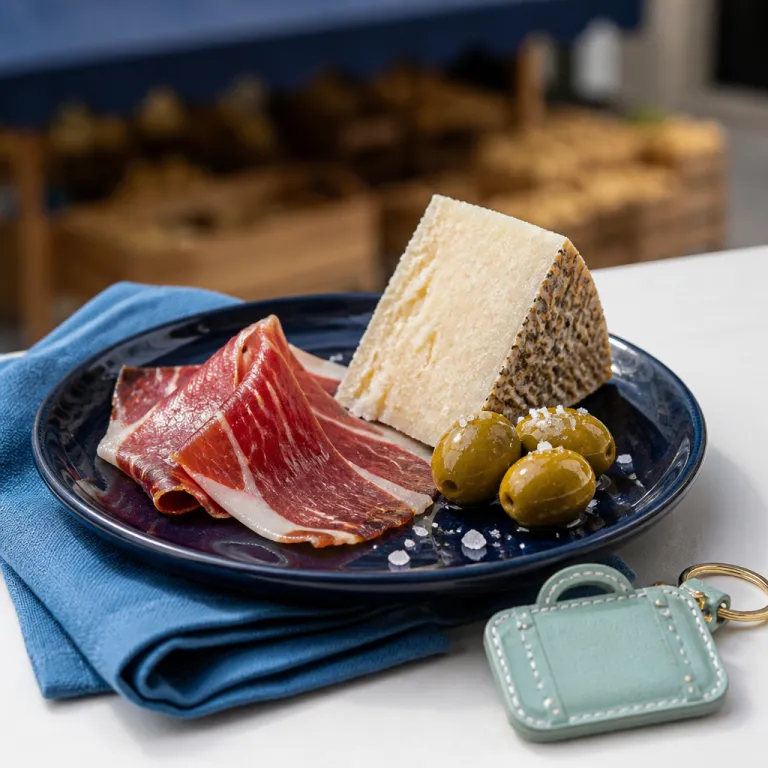
Why local food markets in Madrid matter when choosing your hotel
Staying near the great local food markets in Madrid transforms a simple city break into a layered culinary experience. When you can walk from your hotel to a market in minutes, you gain effortless access to some of the best food, drink, and atmosphere that Madrid, Spain offers, from morning coffee to late night tapas. For travellers comparing hotels in the city, proximity to a vibrant food market in Madrid often matters more than an extra star rating or marginally lower price.
Think of these markets as open air living rooms where residents shop, socialise, and share traditional recipes. Choosing a hotel close to a major food hall or traditional mercado means you can eat like a local, observe daily life, and still return to your room within a short stroll, which is ideal after a long day of sightseeing. In a city with more than forty six municipal markets, according to figures published by the Madrid City Council’s directory of mercados municipales, the specific neighbourhood and market you pick will subtly shape your entire stay.
For first time visitors, staying near Mercado de San Miguel, Mercado de San Antón, Mercado de la Paz, Mercado de San Ildefonso, or Mercado de la Cebada gives immediate access to some of the top food markets in Madrid. Each mercado offers a different balance of traditional stalls, ready to eat counters, and contemporary food and drink concepts, so your hotel choice should reflect the style of Madrid food you enjoy most. Once you align your accommodation with the right market cluster, the city feels smaller, friendlier, and far more delicious.
Mercado de San Miguel and the art of grazing your way through the day
Mercado de San Miguel, often casually shortened to the Miguel market by some visitors, sits beside Plaza Mayor and is one of the most visited food markets in Madrid. Housed under elegant cast iron arches, this historic Mercado de San Miguel blends traditional architecture with a modern food hall layout where dozens of stalls serve everything from Galician seafood to Basque pintxos. Because it stays open daily and late into the evening (typically from around 10:00 until midnight or later on weekends, according to the market’s published schedule), booking a hotel within a ten minute walk lets you treat it as an extended dining room rather than a one off attraction.
Here you can build your own progressive meal, starting with a glass of Spanish wine or vermut as your first drink, then moving between counters for tapas, oysters, croquetas, and regional cheeses. Prices vary by stall, but sharing small plates keeps the overall price per person surprisingly good, especially compared with sit down restaurants in similarly central parts of Madrid, Spain. Many stands specialise in ready to eat bites, so you can sample some of the best food in the city even if you only have thirty minutes between museum visits, and the nearby Sol and Ópera metro stations make it easy to reach from other districts.
For hotel guests who value flexibility, Mercado de San Miguel solves the classic question of where to eat when you are tired, hungry, and not in the mood to research. You simply wander through the market, follow your nose, and let the displays guide your choices, which turns every visit into a relaxed culinary experience rather than a scheduled meal. If you enjoy people watching, grab a corner spot, pair your food and drink selection with a final coffee, and watch the rhythm of Madrid food culture unfold around you.
Chic Chueca and cosmopolitan Chueca: Mercado de San Antón and Mercado de San Ildefonso
North of Gran Vía, the neighbourhoods of Chueca and Malasaña offer a different angle on local food markets in Madrid, anchored by Mercado de San Antón and Mercado de San Ildefonso. Mercado de San Antón, often shortened to San Antón, is a modern multi level food hall where a traditional market on the ground floor coexists with contemporary tapas bars and a rooftop terrace. If you book a hotel nearby, you gain a stylish base where you can shop for fresh food by day and enjoy crafted cocktails and small plates by night without crossing the entire city, with Chueca metro station just a short walk away.
San Antón is particularly appealing for travellers who like to mix self catering with eating out, because the lower level stalls sell excellent produce, charcuterie, and fish at a fair price. You can pick up fruit, yoghurt, and cured meats for breakfast in your room, then return later for grilled dishes or international street food, which makes it one of the best food markets Madrid offers for longer stays. The balance of traditional and contemporary options also suits mixed groups where some prefer classic tapas while others crave lighter or vegetarian dishes, and typical opening hours from late morning until late evening give plenty of flexibility.
A short walk away on Calle de Fuencarral, Mercado de San Ildefonso brings a more urban, street food energy to the city’s market scene. This compact San Ildefonso food market is built around several levels of stalls and terraces, creating a vertical food and drink playground that feels more like a social hub than a conventional mercado. Hotels in Malasaña or nearby Gran Vía place you within easy reach of both San Antón and San Ildefonso, giving you two top options for casual dinners, quick snacks, and late night drinks, usually in the €3–€6 per tapa range.
Elegant Salamanca: Mercado de la Paz, Galería Canalejas, and refined Madrid food
Travellers who prefer a more polished atmosphere often gravitate towards the Salamanca district, where Mercado de la Paz and Galería Canalejas showcase a refined side of local food markets in Madrid. Mercado de la Paz, sometimes called Mercado Paz by regulars, is a traditional covered market that has served residents for generations with excellent produce, fish, and cured meats. Booking a hotel in this area lets you experience a quieter, more residential market scene while still enjoying some of the best food in the city, with Velázquez and Serrano metro stations providing easy access.
Inside Mercado de la Paz, you will find stallholders who know their customers by name, yet they welcome visitors warmly and are happy to explain cuts of meat or seasonal fruit. Prices here are generally good for the quality, especially if you are buying ingredients rather than ready to eat meals, which makes it ideal for travellers who enjoy picnics or simple hotel room suppers. The atmosphere feels authentically madrileño, with fewer tourists than at Mercado de San Miguel, so you gain a more intimate culinary experience, particularly if you visit during weekday mornings when locals do their shopping.
A short distance away, Galería Canalejas offers a luxurious food hall concept beneath a restored historic building near Puerta del Sol. While not a traditional mercado in the strict sense, this Galería Canalejas food hall gathers high end restaurants, patisseries, and bars under one roof, creating a polished environment that pairs well with upscale hotels in central Madrid, Spain. Staying nearby means you can move effortlessly between designer shopping streets, cultural landmarks, and these elevated food markets, enjoying a seamless blend of gastronomy and city life.
Lavapiés and La Latina: Mercado de San Fernando, Mercado de la Cebada, and everyday life
South of the centre, the neighbourhoods of Lavapiés and La Latina reveal another dimension of local food markets in Madrid, one that feels more bohemian and community focused. Mercado de San Fernando in Lavapiés is a beloved food market where traditional produce stalls coexist with second hand bookshops, craft beer bars, and small eateries. If you choose a hotel nearby, you will wake up close to a market residents actually use for weekly shopping, which offers a grounded view of daily life in the city.
San Fernando is particularly strong for affordable tapas, vegetarian options, and casual food and drink pairings, making it a good choice for travellers watching their budget. Many stalls serve ready to eat dishes that you can enjoy at communal tables, from regional stews to international street food, so it is easy to assemble a varied meal without spending much. The atmosphere is relaxed and creative, which contrasts nicely with the more polished feel of central markets visitors often see first, and Lavapiés metro station keeps the area well connected.
In neighbouring La Latina, Mercado de la Cebada offers another large scale food market experience, with a focus on fresh produce, meat, and fish. While less famous internationally than the Miguel market, it is one of the top places to observe how residents of Madrid, Spain shop for everyday food, especially on weekend mornings. Hotels in La Latina place you between this working mercado and the lively tapas bars of Cava Baja, allowing you to move from market to bar in minutes as the city shifts from day to night.
Practical tips: matching your hotel choice to Madrid’s markets
Once you understand how varied the local food markets in Madrid are, the next step is to align your hotel location with the type of culinary experience you want. If you prioritise iconic architecture and a dense concentration of tapas, staying near San Miguel or another central food hall keeps you close to the action. Travellers seeking a more neighbourhood feel might prefer hotels near Mercado de la Paz, San Fernando, or the Antón Martín area, where everyday shopping and good prices define the rhythm.
When comparing hotels, look at walking distances not only to one market but to a cluster, such as San Antón and San Ildefonso in Chueca and Malasaña or Mercado de la Cebada and the Miguel market around La Latina and Plaza Mayor. Being within a ten to fifteen minute walk of at least two markets gives you flexibility if one feels crowded or if you crave a different style of food and drink experience. Remember the practical advice often shared by local tourism boards and market guides: “Visit during weekdays to avoid crowds, bring cash for small purchases, try local specialties at each market.”
Finally, consider how you like to structure your days, because that will influence which food markets and which neighbourhood suits you best. Early risers may enjoy morning coffee and pastries at Mercado de la Paz or Antón Martín, while night owls might favour the late hours at San Ildefonso or the rooftop of San Antón. Whatever your style, anchoring your hotel choice around these markets ensures that Madrid food, from traditional tapas to contemporary fusion, remains at the heart of your stay in Spain.
Key figures that highlight the impact of Madrid’s markets
- Madrid hosts around forty six permanent markets across the city, which means most central hotels are within walking distance of at least one food market, according to data from the Madrid City Council and its municipal market directory consulted in 2023.
- Mercado de San Miguel welcomes millions of visitors each year (often cited at roughly ten million in the market’s own promotional material), making this cast iron market one of the most frequented covered markets in Spain and a major factor when travellers choose where to stay.
- Many of the main markets, including Mercado de San Miguel, Mercado de San Antón, Mercado de la Paz, Mercado de San Ildefonso, and Mercado de la Cebada, open daily year round, so hotel guests can rely on consistent access to food and drink options, with exact schedules published by each market operator.
- The rise of gourmet food stalls and ready to eat counters across markets citywide has increased the appeal of staying near a mercado, because guests can now dine informally without sacrificing quality.
- An increasing focus on organic produce and regional specialities in markets such as San Fernando and Mercado de la Paz reflects a broader shift in Madrid food culture towards sustainability and provenance, highlighted in reports from the Community of Madrid tourism board.
FAQ about Madrid’s local food markets and hotel stays
What is the oldest market in Madrid and why stay near it ?
The oldest market in Madrid still operating in its original iron structure is often cited as Mercado de San Miguel, completed in the early twentieth century beside Plaza Mayor, although other traditional markets have older origins in different buildings. Staying in a nearby hotel places you within a short walk of this historic food hall, where you can sample tapas, seafood, and wine throughout the day. Its central location also makes it a convenient base for exploring other attractions in Madrid, Spain.
Are Madrid’s food markets open on Sundays for hotel guests ?
Most major food markets in Madrid, including Mercado de San Miguel, Mercado de San Antón, Mercado de la Paz, and Mercado de San Ildefonso, open on Sundays. This is particularly useful for travellers whose hotel stay spans a weekend, because many independent restaurants close or reduce hours on Sunday evenings. You can rely on these markets for both lunch and casual dinners at the end of the week, though it is always wise to check current hours before you go.
Do markets in Madrid accept credit cards or should I bring cash ?
Many stalls in each central food market now accept credit or debit cards, especially in modern spaces like San Antón, Galería Canalejas, and San Ildefonso. However, some traditional vendors in markets such as Mercado de la Paz, San Fernando, or Antón Martín still prefer cash for small purchases. Carrying a mix of payment options ensures you can enjoy everything from a quick drink to a full tapas spread without inconvenience.
Which neighbourhood is best for markets if I love tapas ?
If tapas are your priority, staying near Plaza Mayor and La Latina gives you easy access to San Miguel, Mercado de la Cebada, and the dense bar streets of Cava Baja. Chueca and Malasaña, with San Antón and San Ildefonso, are also excellent for modern tapas and international bites. Choosing a hotel in these areas means you can walk between several food markets and tapas bars in a single evening.
How can I use markets to save money during my stay ?
Shopping at markets Madrid maintains for residents, such as Mercado de la Paz, San Fernando, or Antón Martín, lets you buy high quality ingredients at a good price. You can assemble breakfasts, snacks, or simple dinners in your room, then reserve restaurant spending for special occasions. This approach keeps your overall budget under control while still giving you access to some of the best food and drink in the city.
References
- Madrid City Council – official information on municipal markets and neighbourhood locations in Madrid, Spain, including the network of mercados municipales, consulted 2023.
- Mercado de San Miguel – visitor data and stall listings published by the market’s official management and promotional materials, accessed 2023.
- Community of Madrid tourism board – guidance on gastronomy, traditional markets, and culinary experiences across the city, with updates on sustainability and local products.